 Save to Pinterest
 My neighbor knocked on the door last spring with a box of Meyer lemons she couldn't use fast enough, and I found myself standing in the kitchen at sunset, the golden light hitting those bumpy yellow fruits like they were little lanterns. I'd never made a sheet cake before—always thought they were too casual, too utilitarian—but something about those lemons and the question of what to do with them shifted my thinking. This cake became the answer to that generous gift, and it's been my go-to for every springtime gathering since.
I baked this for my sister's thirtieth birthday brunch, and watching her take that first bite while sitting on the porch with coffee in hand—that's when I realized this cake had become something beyond a recipe. She closed her eyes and just sat there, and we didn't need to say anything. That's the kind of cake this is: it makes people pause.
Ingredients
- All-purpose flour (2 ½ cups): The backbone of tenderness here—don't sift unless your flour is genuinely lumpy, or you'll end up with a dense crumb.
- Baking powder and baking soda (2 ½ tsp and ½ tsp): This combination gives the cake gentle lift without any bitter aftertaste that too much soda can bring.
- Salt (½ tsp): Even in a sweet cake, salt makes the lemon sing and deepens the vanilla notes.
- Unsalted butter (1 cup, softened): Cold butter won't cream properly, so leave it on the counter for about an hour before you start, or cut it into cubes for faster softening.
- Granulated sugar (2 cups): This creams with butter to trap air, which is where all that tenderness comes from.
- Eggs (4 large, room temperature): Room temperature eggs emulsify better with the butter, creating a more stable batter—cold eggs will make the mixture look broken and grainy.
- Vanilla extract (1 tbsp): Use real vanilla if you can; it adds warmth that imitation extract just can't match in a simple cake.
- Whole milk (1 cup, room temperature): The acidity in milk reacts with the baking soda to create lift, so don't skip this step by using cold milk.
- Lemon zest (1 from the cake, 2 from the filling): Zest just the colored part of the peel, not the white pith underneath, which tastes bitter.
- Egg yolks (4 for the curd): Save those whites for omelets or angel food cake—the yolks are what make curd rich and glossy.
- Fresh lemon juice (⅓ cup): Bottled juice tastes tinny; fresh is worth the few seconds of squeezing.
- Heavy cream (2 cups, chilled): Keep it in the coldest part of your fridge until the moment you whip it, or it won't reach stiff peaks.
- Powdered sugar (½ cup): This dissolves instantly into whipped cream without making it grainy like granulated sugar would.
Tired of Takeout? 🥡
Get 10 meals you can make faster than delivery arrives. Seriously.
One email. No spam. Unsubscribe anytime.
Instructions
- Prep your pan and oven:
- Set the oven to 350°F and grease your 9x13-inch pan generously, then line it with parchment paper that hangs over the edges—this makes removing the cake so much easier later. The parchment is your friend here.
- Combine your dry ingredients:
- Whisk flour, baking powder, baking soda, and salt in a medium bowl so the leavening agents are evenly distributed. This step only takes a minute but prevents pockets of baking soda from creating soapy-tasting spots in your finished cake.
- Cream butter and sugar:
- Beat softened butter and sugar together until the mixture looks pale, fluffy, and almost mousse-like—this takes about 3 to 4 minutes with an electric mixer. Listen for the change in the mixer's sound; it gets lighter and quieter as air is incorporated.
- Add eggs one at a time:
- Add each egg individually and beat well before adding the next one, then mix in vanilla and that precious lemon zest. The mixture might look slightly curdled at this point, but don't panic—that's normal.
- Alternate wet and dry:
- Add about a third of the dry mixture, then half the milk, then another third of the dry, then the remaining milk, and finally the last of the dry ingredients. Mixing this way, starting and ending with dry ingredients, prevents overmixing and keeps the crumb tender.
- Bake with patience:
- Spread the batter evenly into your prepared pan and smooth the top with an offset spatula, then bake for 28 to 32 minutes until a toothpick inserted in the center comes out clean or with just a few moist crumbs. Let the cake cool completely in the pan on a rack—don't rush this, as a warm cake is fragile.
- Make the lemon curd:
- While the cake cools, whisk egg yolks, sugar, lemon juice, and zest in a small saucepan and cook over medium-low heat, stirring constantly, for about 5 to 7 minutes until it thickens enough to coat the back of a spoon. Remove from heat, whisk in cubed butter until completely smooth, then transfer to a bowl and press plastic wrap directly onto the surface to prevent a skin from forming as it cools.
- Whip the cream:
- Pour cold heavy cream into a chilled bowl, add powdered sugar and vanilla, and whip with an electric mixer until stiff peaks form—about 2 to 3 minutes depending on your mixer's power. Don't overbeat or you'll turn it into butter.
- Layer with intention:
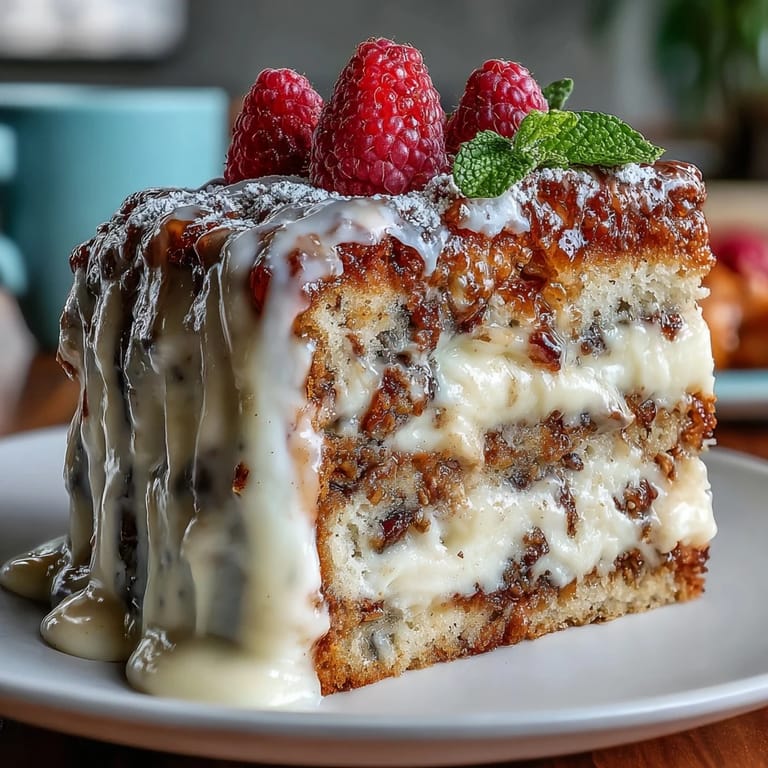
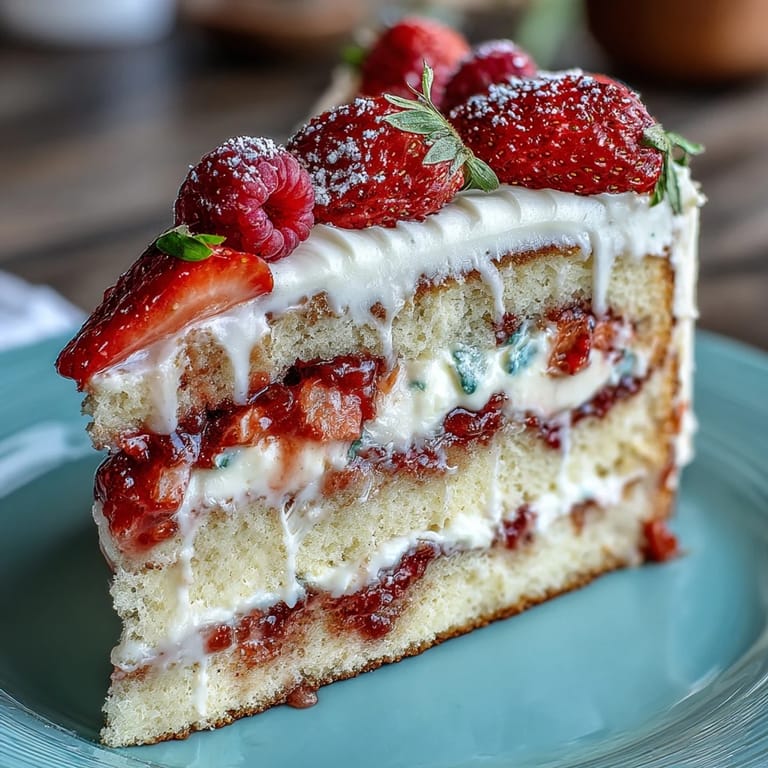
- Once the cake is completely cool, use a serrated knife to carefully slice it horizontally into two even layers, using a gentle sawing motion rather than pressing down. Spread the chilled lemon curd over the bottom layer, then gently replace the top layer.
- Frost and decorate:
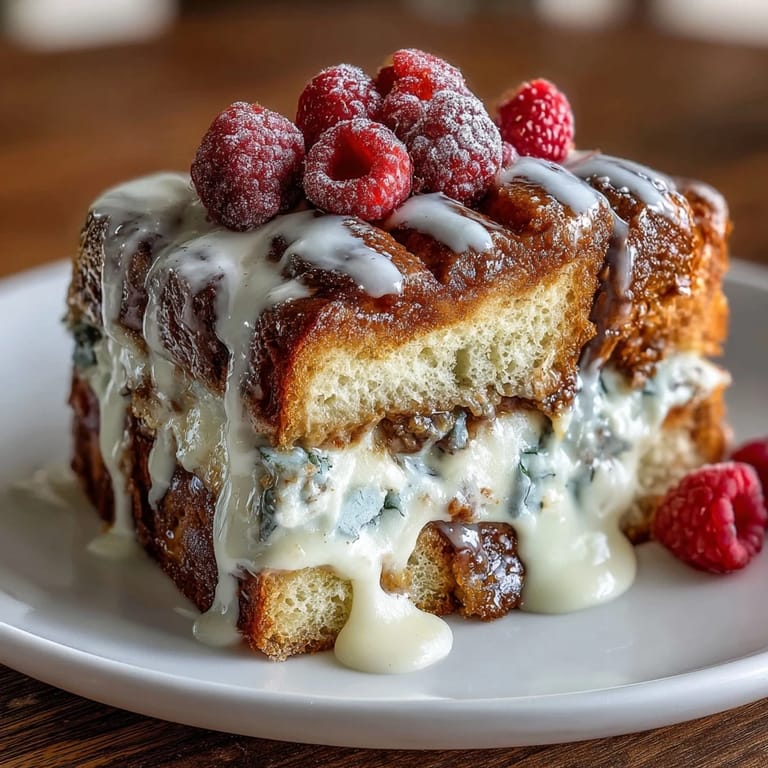
- Spread whipped cream evenly over the top and sides of the assembled cake with an offset spatula, then scatter fresh berries, edible flowers, or curls of lemon zest across the top. Let your decorating instinct guide you here—there's no wrong way to make it look springy.
- Chill before serving:
- Refrigerate the assembled cake for at least an hour so the layers set and the frosting firms up just enough for clean slices. This step is worth the wait.
 Save to Pinterest
 There's something about serving a homemade cake from a big sheet pan that feels generous without trying too hard. Everyone gets a generous square, the lemon is bright but not punishing, and somehow it manages to feel both celebratory and approachable at the same time.
Why Homemade Lemon Curd Changes Everything
Store-bought curd is convenient, sure, but homemade curd has a texture that's almost custard-like, and the flavor tastes fresher because you made it hours before rather than months ago in a factory. The act of standing at the stove, stirring constantly, watching the mixture slowly thicken—that's when you realize you're not just following instructions, you're actually cooking. The butter you whisk in at the end transforms it from tangy and thin into something silky and luxurious, and that difference is absolutely worth the few extra minutes.
The Secret to Tender Sheet Cake
The tenderness of this cake comes from several small decisions working together: creaming butter and sugar for long enough to actually incorporate air, adding eggs one at a time so they emulsify properly, and alternating wet and dry ingredients so you never overmix. I learned the hard way that if you dump all the dry ingredients in at once and beat until combined, you'll end up with a cake that's dense and bouncy like a sponge, which is not what we want here. With this method, you're playing it cool, being deliberate, and letting the chemistry do the work.
Making It Your Own
This cake is a springboard for your own creativity, not a rigid formula that can't be adjusted. Some people brush the cake layers with a light lemon syrup before assembling to intensify the lemon flavor without making it overwhelming, while others prefer to let the curd speak for itself. I've seen this cake decorated with candied lemon slices, topped with a delicate dusting of edible glitter, and once even adorned with fresh mint leaves tucked between the berries for a garden-party vibe.
- If you want extra tang, add an additional tablespoon of lemon juice to the whipped cream frosting.
- Fresh raspberries are more delicate than strawberries and won't weep as much liquid into the frosting, making them ideal for cakes that need to sit for a few hours.
- This cake actually tastes better the next day, so don't hesitate to make it a day ahead and assemble it in the morning.
 Save to Pinterest
 This cake has a way of becoming the highlight of whatever celebration brings it to the table. Serve it with sparkling wine, iced tea, or just a cold glass of milk, and watch people slow down.
Recipe FAQs
- → How do I ensure the cake layers remain moist?
Alternating the dry ingredients with milk while mixing helps keep the crumb tender and moist. Avoid overmixing to prevent a dense texture.
- → What is the best way to make smooth lemon curd filling?
Constantly whisk the egg yolks, sugar, lemon juice, and zest over medium-low heat until thickened, then whisk in butter smoothly before chilling.
- → Can I prepare the whipped cream frosting in advance?
Yes, whip cold heavy cream with powdered sugar and vanilla until stiff peaks form, then keep refrigerated until ready to frost.
- → How should I assemble the layers for clean slices?
Slice the cooled cake horizontally to create two layers, spread chilled lemon curd evenly on the bottom layer, then top with the second layer and frosting; chill before slicing.
- → What decoration options suit this cake?
Fresh berries like strawberries, raspberries, blueberries, edible flowers, or lemon zest curls enhance both appearance and flavor.