 Save to Pinterest
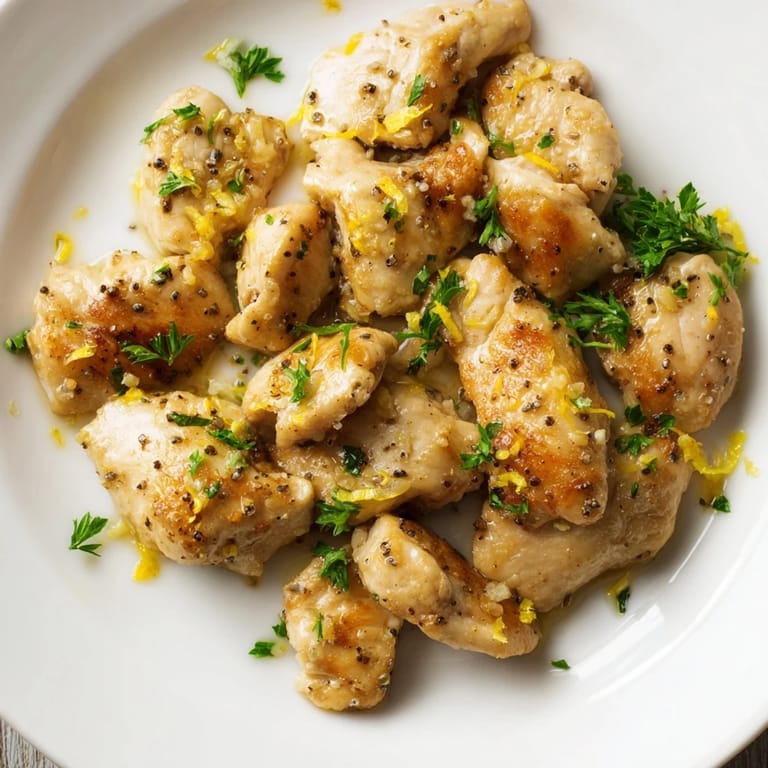
 There's something about the smell of lemon and black pepper hitting a hot pan that instantly reminds me of a Tuesday night when I was learning to cook on my own. I'd grabbed four chicken breasts on a whim, a lemon from the fruit bowl, and an almost-full pepper grinder, determined to make something that didn't come from a box. What started as a simple attempt to season chicken properly became one of those dishes I keep coming back to because it's honest, bright, and somehow better than the sum of its parts.
I remember cooking this for my roommate who was convinced she didn't like lemon. She came home to that sizzling pan, the kitchen smelled incredible, and she sat down and ate almost half the batch. We didn't talk much during dinner—just the sound of forks and the occasional 'this is really good' between bites. That's when I knew this recipe was worth keeping.
Ingredients
- 4 boneless, skinless chicken breasts (about 600 g): Look for breasts that are roughly the same thickness so they cook evenly; if one is noticeably thicker, gently pound it out with the side of a knife.
- 2 tablespoons olive oil: This is your base for flavor and keeps the chicken from sticking, so don't skimp on quality here.
- 1 tablespoon freshly cracked black pepper: This is the star, so crack it fresh right before you cook—pre-ground pepper loses its bite and personality.
- 1 teaspoon sea salt: Fine sea salt dissolves into the marinade more easily than kosher salt and distributes evenly.
- Zest of 1 lemon: Use a microplane or fine grater to get those bright, fragrant pieces without the bitter white pith underneath.
- Juice of 1 lemon (about 2 tablespoons): Fresh squeezed makes all the difference—bottled juice tastes flat and a little plasticky by comparison.
- 2 garlic cloves, minced: Mince them small so they don't overpower the lemon, and add them just before cooking if you're worried about them burning.
- 1 tablespoon chopped fresh parsley: This is optional but worth it—it adds a whisper of freshness and makes the plate look a little less bare.
- Lemon wedges, for serving: Let people squeeze their own at the table; it gives them control and makes the dish feel more interactive.
Tired of Takeout? 🥡
Get 10 meals you can make faster than delivery arrives. Seriously.
One email. No spam. Unsubscribe anytime.
Instructions
- Dry your chicken properly:
- Pat each breast with paper towels until the surface is really dry. Moisture is the enemy of browning, and you want that golden exterior to seal in the juices.
- Build your marinade:
- Whisk the olive oil, cracked pepper, salt, lemon zest, lemon juice, and garlic in a large bowl until it looks like a rough paste. The texture should be thick enough to coat the chicken and stick to it.
- Marinate with intention:
- Add the chicken breasts and toss them until every side is coated. Let them sit for 10 to 15 minutes while your oven or pan heats up—this isn't long enough to cure them, but it's long enough to let the flavors start to seep in.
- Choose your heat:
- For roasting: preheat your oven to 200°C (400°F) and arrange the chicken on a parchment-lined baking sheet. For pan-searing: heat a large skillet over medium-high heat and add a drizzle of olive oil until it shimmers.
- Cook until golden:
- Roasting takes 20 to 25 minutes until the internal temperature reaches 74°C (165°F); pan-searing takes 5 to 7 minutes per side until the outside is golden and the meat is firm to the touch. Either way, use a meat thermometer if you have one—it removes all the guesswork.
- Let it rest:
- This is the step people skip and then wonder why their chicken isn't juicy. Give it 5 minutes on a cutting board; the residual heat finishes cooking the center while the juices redistribute.
- Finish and serve:
- Slice if you like, scatter parsley on top, and serve with lemon wedges so people can add more brightness if they want it.
 Save to Pinterest
 There was a moment one weekend when a friend who'd been stress-eating takeout for weeks came over and I made this for her. Halfway through, she just put her fork down and looked at me and said, 'I forgot that food could taste like this.' That's when I realized this simple recipe was about more than just dinner—it was about showing someone that good doesn't have to be complicated.
Roasting vs. Pan-Searing: Which Way?
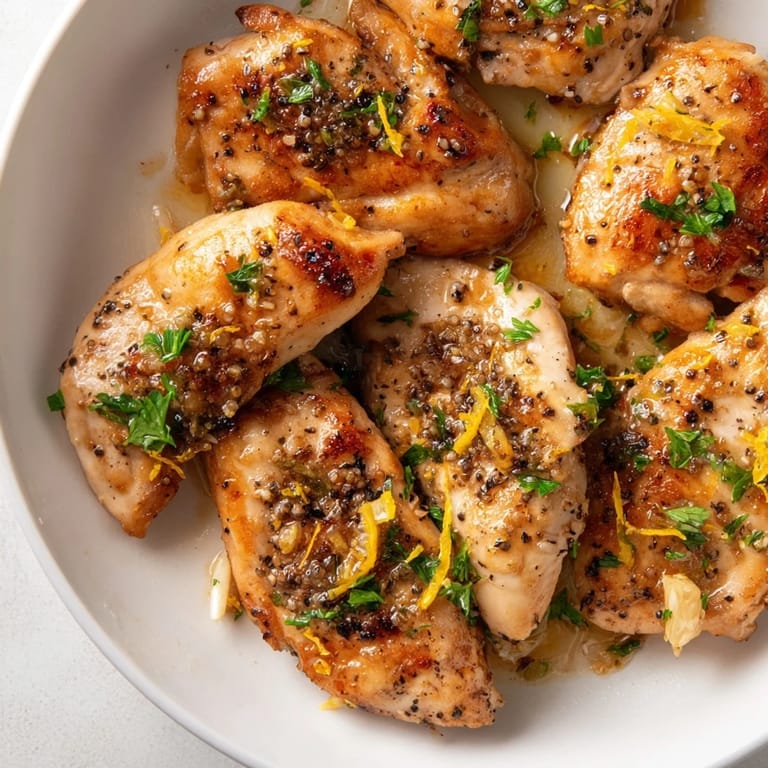
Roasting gives you a gentler, more even cook and frees up your hands to do other things, which is perfect if you're making sides at the same time. Pan-searing is faster and gives you that gorgeous golden crust that makes the dish feel more indulgent, plus you get to stand there and watch the chicken transform. I usually roast on busy nights and pan-sear when I want to feel like I'm actually cooking. There's no wrong choice—it depends on your mood and what else is on the stove.
The Lemon-Pepper Foundation
This flavor combination is deceptively simple, but it's built on a balance that took me a few tries to understand. The lemon needs to be bright and present, not subtle, and the pepper needs to be bold enough that you taste it on every bite. If your version tastes flat, you probably need more of both—people often hold back because they're used to timid seasoning, but this dish wants to be tasted. The garlic plays a supporting role, just enough to add depth without stealing the spotlight.
Variations and Swaps That Actually Work
The beauty of this recipe is that it's flexible enough to bend without breaking. You can add dried oregano or thyme to the marinade for earthiness, or use boneless chicken thighs instead of breasts if you want juicier meat that's harder to overcook. Some nights I add a tablespoon of honey to the marinade to give it subtle sweetness that plays against the lemon and pepper. You can roast the chicken with sliced onions and potatoes on the same sheet for a complete meal, or serve it over rice to soak up the pan juices.
- Substitute chicken thighs for breasts if you prefer meat that forgives overcooking and has deeper flavor.
- Add 1 teaspoon dried oregano or thyme to the marinade for an herbaceous twist that feels Mediterranean.
- Make it a one-pan dinner by adding chopped potatoes and green beans to the roasting sheet for the last 20 minutes of cooking.
 Save to Pinterest
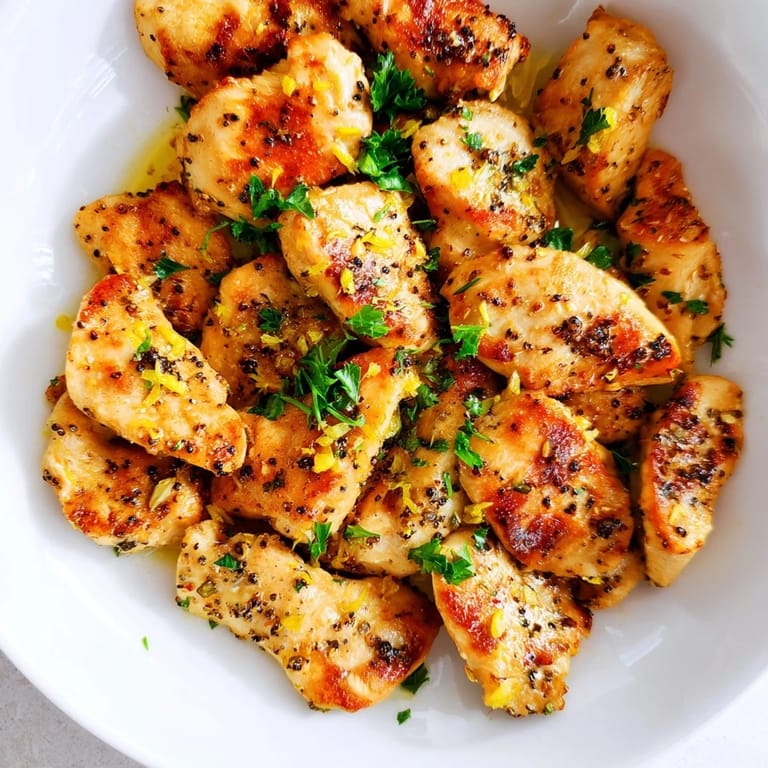
 This recipe has become my go-to when I want to feel like I'm cooking something worthwhile but don't have hours to spend in the kitchen. It's proof that simple, honest ingredients handled with care create something that tastes far better than you'd expect.
Recipe FAQs
- → How do I keep the chicken juicy when cooking?
Marinate the chicken with lemon juice and olive oil for at least 10 minutes to retain moisture, and avoid overcooking by monitoring internal temperature.
- → Can I substitute chicken breasts with another cut?
Boneless thighs can be used for a more tender and juicy texture while retaining the same marinade flavors.
- → What cooking methods work best?
Both roasting and pan-searing work well. Roasting ensures even cooking, while pan-searing adds a flavorful crust.
- → How can I enhance the flavor profile?
Adding dried oregano or thyme to the marinade introduces herbal notes that complement the lemon and pepper.
- → What sides pair well with this dish?
Roasted vegetables or a fresh green salad balance the zesty and savory flavors of the chicken.