 Save to Pinterest
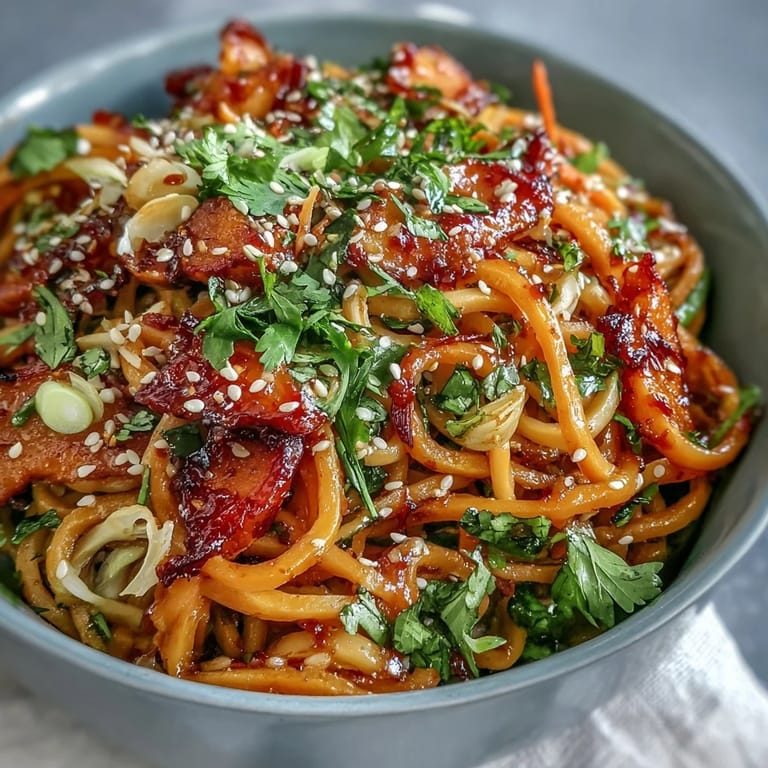
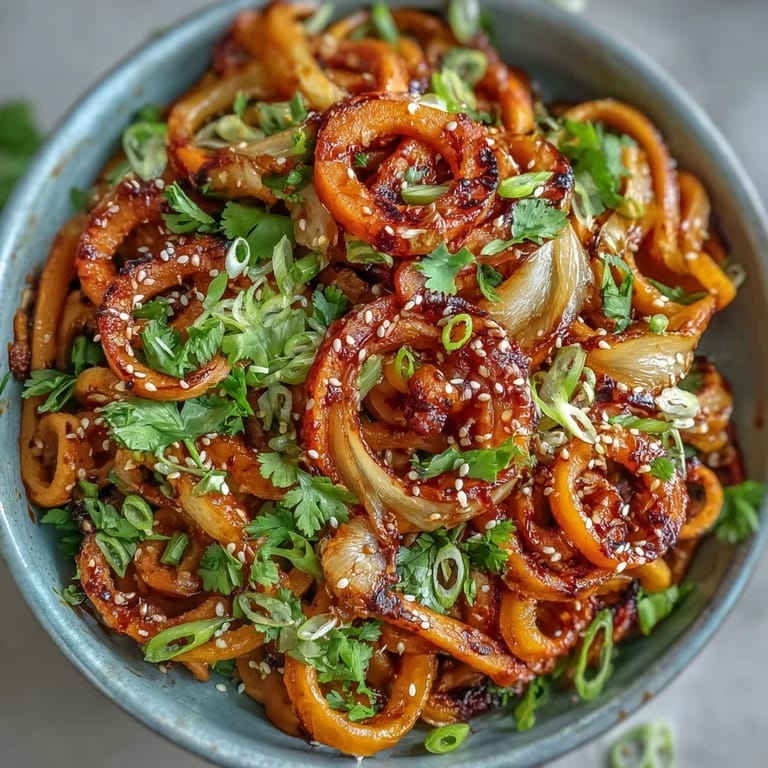
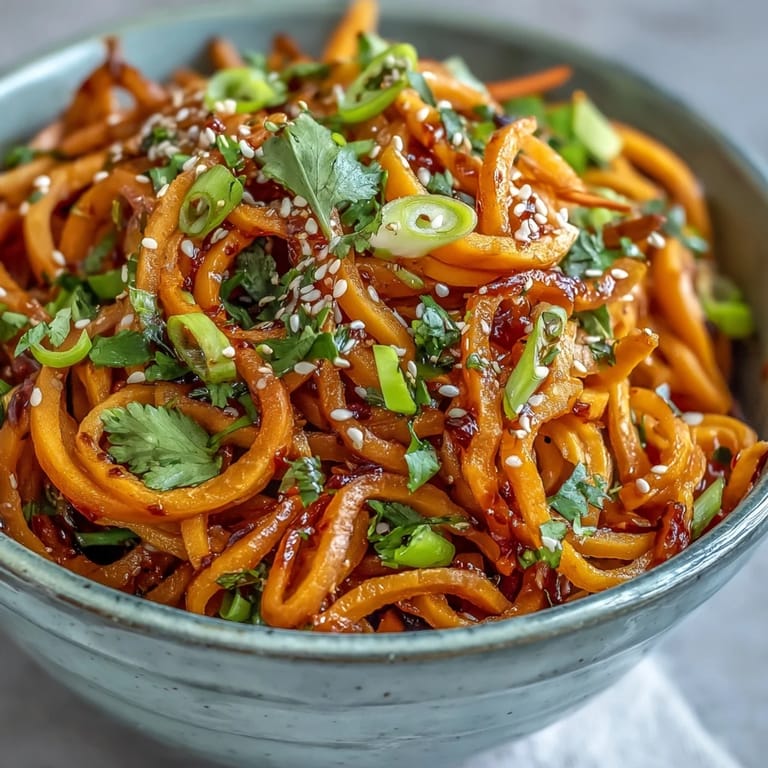
 I started spiralizing swede on a rainy Tuesday when my noodle craving hit hard but my pantry was nearly bare. The ribbons came out uneven, some thick, some paper-thin, but once they hit the hot oven they transformed into something I never expected: sweet, caramelized, almost meaty strands that held onto the gochujang dressing like they were born for it. That night I learned swede isn't just a forgettable root vegetable. It's a flavor carrier with serious potential.
I made this for a friend who swore she hated rutabaga, mostly because her grandmother boiled it into mush every Sunday. She took one bite, paused, then asked if I'd written down the recipe yet. We ate straight from the bowl standing at the kitchen counter, and she left with a jar of extra dressing tucked into her bag.
Ingredients
- Swede (rutabaga): Choose one that feels heavy for its size and has smooth, unblemished skin; peel it thickly to remove the waxy outer layer, and use a mandoline if you have one for even ribbons that roast uniformly.
- Rice noodles: Dried flat rice noodles work best here because they don't get gummy and they soak up the dressing beautifully; just don't overcook them or they'll fall apart when you toss everything together.
- Gochujang: This fermented chili paste is the soul of the dish, bringing heat, sweetness, and umami all at once; buy a good quality one from a Korean grocery if you can, and store it in the fridge where it'll keep for months.
- Maple syrup: It balances the heat and saltiness perfectly and gives the dressing a glossy, cling-to-everything consistency; honey works too, but maple adds a subtle earthiness I prefer.
- Toasted sesame oil: A little goes a long way, so don't skip it; the nutty aroma it adds when you toss everything together is half the reason this dish smells so good.
- Spring onions: They add a sharp, fresh bite that cuts through the richness; slice them thin and toss some raw on top at the end for extra crunch.
- Sesame seeds: Toast them yourself in a dry pan for two minutes; the difference between raw and toasted is the difference between bland and addictive.
Tired of Takeout? 🥡
Get 10 meals you can make faster than delivery arrives. Seriously.
One email. No spam. Unsubscribe anytime.
Instructions
- Get the oven hot:
- Preheat your oven to 220°C (425°F) so it's blazing hot when the swede goes in. This high heat is what gives the ribbons those crispy, caramelized edges.
- Prep and roast the swede:
- Toss the swede ribbons with vegetable oil, salt, and pepper until every piece is lightly coated, then spread them out in a single layer on a baking sheet. Roast for 25 to 30 minutes, flipping them halfway through so they brown evenly and get tender in the center.
- Cook the noodles:
- While the swede roasts, cook the rice noodles according to the package directions, usually just a few minutes in boiling water. Drain them, rinse under cold water to stop the cooking, and set them aside so they don't stick together.
- Make the dressing:
- In a bowl, whisk together the gochujang, soy sauce, maple syrup, rice vinegar, sesame oil, garlic, ginger, and chili flakes if you're using them. Add water a tablespoon at a time until the dressing is pourable but still thick enough to cling to the noodles.
- Toss everything together:
- In a large mixing bowl, combine the roasted swede, cooked noodles, spring onions, carrot, and bean sprouts if you're adding them. Pour the gochujang dressing over the top and toss gently but thoroughly until every strand is glossy and coated.
- Serve it up:
- Divide the noodles among bowls and top each serving with toasted sesame seeds and a handful of fresh cilantro. Serve immediately while the swede is still warm and the flavors are brightest.
 Save to Pinterest
 The first time I brought this to a potluck, someone asked if it was a traditional Korean dish and I had to laugh. It's not, but it carries that spirit of bold, balanced flavors and turning humble ingredients into something you can't stop eating. By the end of the night, the bowl was scraped clean and three people had taken photos of the empty dish so they'd remember to ask me for the recipe.
Make It Your Own
This recipe is incredibly forgiving and practically begs you to improvise. If you don't have swede, try using spiralized sweet potato, ribboned zucchini, or even thinly sliced cabbage; each one will give you a different texture but the dressing pulls it all together. I've added crispy pan-fried tofu, quickly blanched edamame, and even leftover roasted chickpeas when I needed more protein. Sometimes I throw in whatever vegetables are lingering in the crisper drawer, and it always works.
Storing and Reheating
Leftovers keep well in the fridge for up to three days, though the noodles will soak up some of the dressing as they sit. I usually store the components separately if I know I'll have extras: roasted swede in one container, dressed noodles in another, and a little jar of extra dressing to refresh everything when I reheat. A quick toss in a hot pan with a splash of water brings it all back to life, and sometimes I like it even better the second day when the flavors have had time to meld.
Pairing and Serving Ideas
I love serving this as a complete meal on its own, but it also works beautifully as a side dish alongside grilled vegetables or a simple miso soup. The flavors are bold enough to stand up to a crisp, off-dry Riesling, which cools down the heat, or a light lager if you prefer beer. If you're feeding a crowd, set out little bowls of extra sesame seeds, chili oil, lime wedges, and fresh herbs so everyone can customize their own bowl.
- Double the dressing and keep it in a jar for grain bowls, roasted vegetables, or drizzling over fried eggs.
- Toast extra sesame seeds and store them in a small container; they're perfect for sprinkling on almost anything.
- Leftover roasted swede ribbons make an excellent addition to morning scrambles or grain salads.
 Save to Pinterest
 This dish taught me that creativity in the kitchen often starts with limitation, not abundance. I hope it becomes one of those recipes you turn to when you want something exciting but don't want to overthink it.
Recipe FAQs
- → Can I use a different vegetable instead of swede?
Yes, butternut squash, sweet potato, or even zucchini ribbons work well. Adjust roasting time based on the vegetable's density and water content.
- → How spicy is this dish?
The heat level is moderate, coming from gochujang. You can reduce the paste amount for milder flavor or add chili flakes for more kick.
- → Can I make the dressing ahead of time?
Absolutely. Prepare the gochujang dressing up to 3 days in advance and store it in an airtight container in the refrigerator. Whisk before using.
- → What can I substitute for rice noodles?
Soba noodles, udon, or even spiralized zucchini noodles work as alternatives. Cooking times will vary based on your choice.
- → How do I store leftovers?
Store in an airtight container in the refrigerator for up to 3 days. The noodles may absorb dressing, so add a splash of sesame oil when reheating.
- → Is gochujang gluten-free?
Not always. Some brands contain wheat or barley. Check labels carefully and look for certified gluten-free versions if needed.