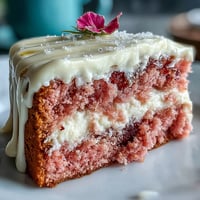
 Save to Pinterest
 My neighbor showed up one Saturday morning with a bag of blood oranges from her tree, insisting I do something with them before they went soft. I had a tub of Greek yogurt in the fridge and no real plan, so I started whisking things together. The batter turned this gorgeous pale coral color, and the whole kitchen smelled like winter citrus groves. When I pulled the cake out of the oven, golden and cracked on top, I knew I'd stumbled onto something special.
I baked this cake for a small dinner party once, and everyone went quiet after the first bite. Someone asked if I'd been hiding a pastry degree, which made me laugh because I'd only started baking seriously a year before. It became the cake people requested by name, the one I'd bring to potlucks and birthdays. There's something about the color alone that makes people smile before they even taste it.
Ingredients
- All purpose flour: The backbone of the cake, giving it structure without weighing it down when you measure it lightly.
- Baking powder: Fresh baking powder is key here, check the date on the can or the rise will disappoint you.
- Salt: Just a pinch balances the sweetness and makes the citrus flavor pop.
- Plain Greek yogurt: This is what makes the cake so moist and tender, plus it adds a subtle tang that plays beautifully with the blood orange.
- Granulated sugar: Enough to sweeten without overwhelming the delicate citrus notes.
- Large eggs: Room temperature eggs blend more smoothly into the batter and create a better crumb.
- Blood orange zest: Where most of the aromatic oil lives, so zest with a light hand to avoid the bitter white pith.
- Blood orange juice: Freshly squeezed is worth the effort, the flavor is brighter and more complex than bottled.
- Vanilla extract: A whisper of vanilla rounds out the citrus without competing with it.
- Coconut oil: Melted and cooled, it keeps the cake incredibly moist and adds a subtle richness.
- Powdered sugar: Sifted smooth for the icing so you dont get lumps in that gorgeous glaze.
Tired of Takeout? 🥡
Get 10 meals you can make faster than delivery arrives. Seriously.
One email. No spam. Unsubscribe anytime.
Instructions
- Prep Your Pan:
- Preheat your oven to 350°F and butter every corner of your loaf pan, then dust it with flour or line it with parchment for easy release. This step saves you from heartbreak when the cake sticks.
- Mix the Dry Ingredients:
- Whisk the flour, baking powder, and salt together in a medium bowl until evenly distributed. Set it aside while you work on the wet ingredients.
- Cream the Yogurt and Sugar:
- In a large bowl, whisk the Greek yogurt and sugar together until the mixture is smooth and the sugar starts to dissolve. It should look creamy and pale.
- Add Eggs and Citrus:
- Whisk in the eggs one at a time, letting each one fully incorporate before adding the next, then stir in the blood orange zest, juice, and vanilla extract. The batter will smell incredible at this point.
- Fold in the Flour:
- Gently fold the dry ingredients into the wet mixture using a spatula, stirring just until no streaks of flour remain. Overmixing will make the cake tough, so stop as soon as its combined.
- Incorporate the Oil:
- Pour in the melted coconut oil and fold it through the batter until its fully blended and glossy. The batter should be thick but pourable.
- Bake the Cake:
- Pour the batter into your prepared pan, smooth the top with a spatula, and bake for 50 minutes or until a toothpick inserted in the center comes out clean. The top will crack slightly and turn golden.
- Cool Completely:
- Let the cake cool in the pan for 10 minutes, then turn it out onto a wire rack to cool completely before icing. Icing a warm cake will just make a melted mess.
- Make the Icing:
- Whisk together the powdered sugar, blood orange juice, and zest until smooth and pourable, adding a touch more juice if its too thick. It should drip slowly off the whisk.
- Glaze and Set:
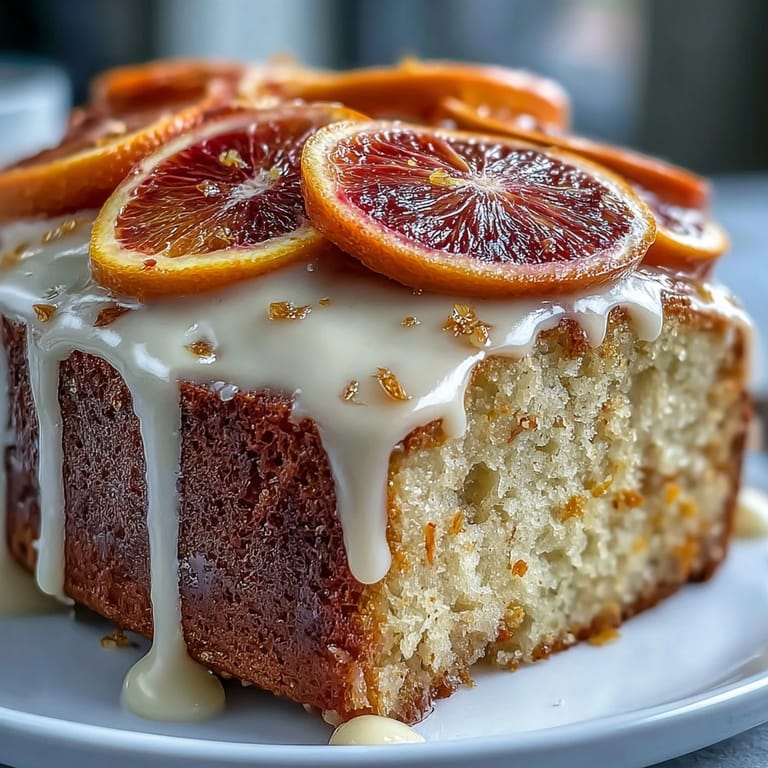
- Drizzle the icing over the cooled cake, letting it drip down the sides, then let it set for at least 20 minutes before slicing. The glaze will harden into a beautiful shell.
 Save to Pinterest
 The first time I brought this cake to my book club, someone said it tasted like sunshine in January. That description stuck with me because it captured exactly what I loved about it, the way the bright citrus and tender crumb could lift a gray afternoon. Now I bake it whenever I need a little brightness in my kitchen, and it never fails to deliver.
Choosing the Right Blood Oranges
Blood oranges have a short season, usually from December through May, so grab them when you see them. The best ones feel heavy for their size and have a slight give when you squeeze them gently. Their juice ranges from ruby red to deep crimson, and the flavor is sweeter and less acidic than regular oranges with hints of raspberry. If you cant find blood oranges, regular oranges or Cara Cara oranges work, but youll lose that gorgeous color and unique flavor.
Storing and Serving Suggestions
This cake keeps beautifully at room temperature for up to two days if you cover it loosely with foil or store it in a cake dome. If you need it to last longer, wrap it tightly and refrigerate it for up to five days, though the icing may soften slightly in the fridge. I love serving it with a dollop of lightly sweetened whipped cream or a handful of fresh raspberries on the side. Its also wonderful toasted the next day with a smear of butter for breakfast.
Customizing Your Cake
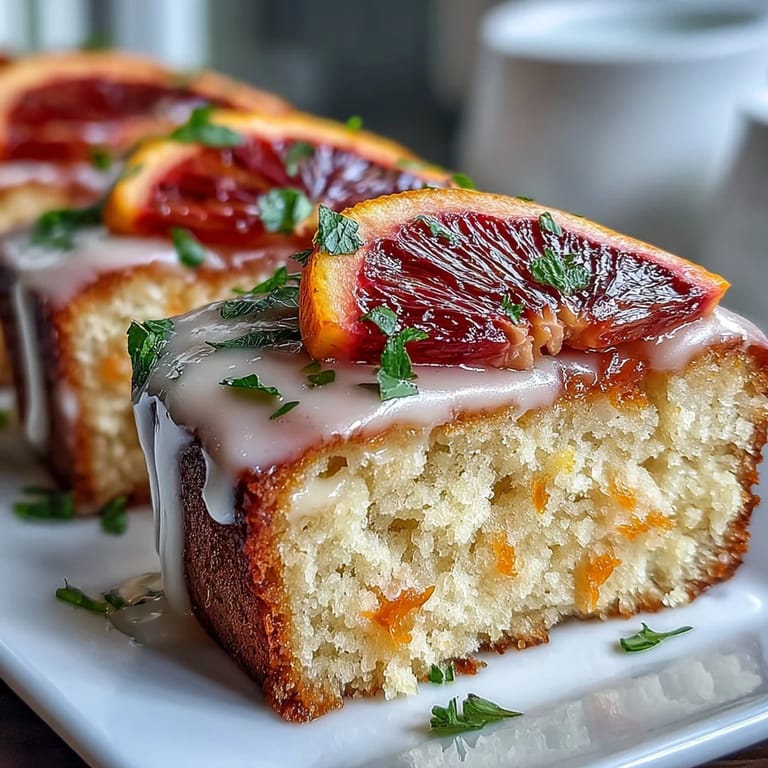
You can easily swap the coconut oil for melted unsalted butter if you prefer a more traditional flavor profile. For a deeper citrus punch, add an extra tablespoon of blood orange juice to the icing or fold in some finely chopped candied orange peel into the batter. If you want to make it a little fancier, top the iced cake with thin blood orange slices or a sprinkle of flaky sea salt.
- Try adding a teaspoon of orange liqueur to the icing for an adult twist.
- Fold in half a cup of white chocolate chips for pockets of sweetness.
- Bake it in a round cake pan instead of a loaf for a more elegant presentation.
 Save to Pinterest
 This cake has become one of those recipes I make without thinking, the kind where I know the steps by heart and can chat with someone while I measure. I hope it brings you the same kind of easy joy it brings me.
Recipe FAQs
- → Can I use regular oranges instead of blood oranges?
Yes, you can substitute navel oranges or cara cara oranges. The cake will still be delicious, though you'll miss the stunning ruby-red color and unique berry-like tartness that blood oranges provide.
- → Why use Greek yogurt in the batter?
Greek yogurt adds moisture and creates a tender crumb while providing structure. The acidity also activates the baking powder for a nice rise, resulting in a dense yet moist texture that's not overly heavy.
- → How do I know when the cake is done baking?
Insert a toothpick into the center of the cake. If it comes out clean or with just a few moist crumbs, the cake is ready. The top should be golden brown and spring back lightly when touched.
- → Can I make this cake ahead of time?
Absolutely. The cake actually develops more flavor after sitting for a day. Store it covered at room temperature for up to 2 days, or refrigerate for up to 5 days. Add the icing just before serving for the freshest appearance.
- → What's the best way to zest blood oranges?
Use a microplane or fine zester to gently remove just the colorful outer layer, avoiding the bitter white pith underneath. One medium blood orange typically yields about 1 tablespoon of fragrant zest.
- → Can I freeze this cake?
Yes, wrap the cooled cake tightly in plastic wrap and aluminum foil, then freeze for up to 3 months. Thaw overnight at room temperature. For best results, add the icing after thawing.