 Save to Pinterest
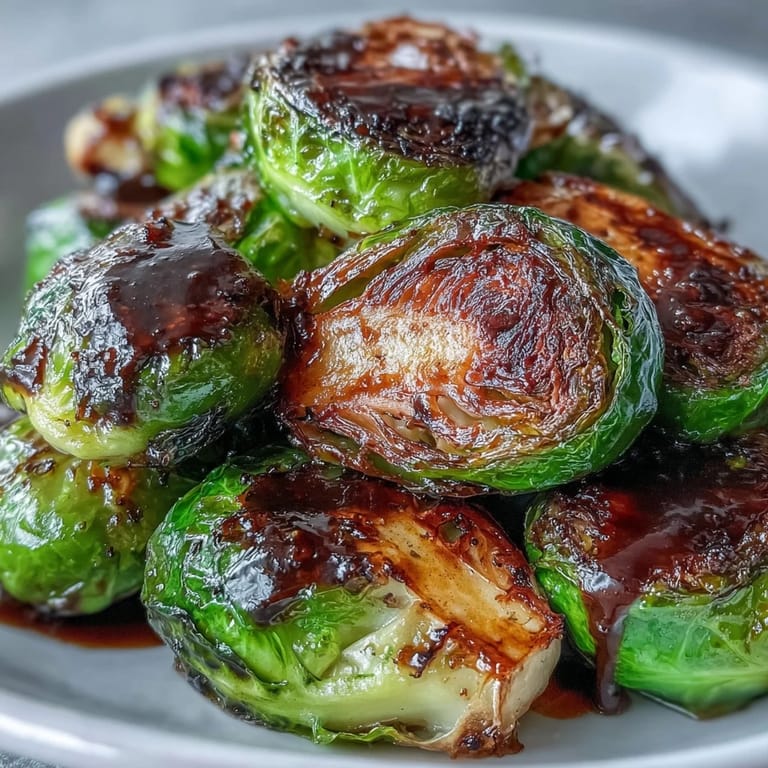
 My kitchen filled with the smell of caramelizing Brussels sprouts one weeknight when I needed something quick but impressive for dinner guests arriving in forty minutes. I'd always avoided these little green orbs, convinced I hated them, until a friend insisted the secret was high heat and patience. That night, watching them turn golden and crispy in the oven while I whipped up a balsamic glaze, everything clicked. The tangy-sweet finish transformed them into something I actually wanted to eat again. Now I make them constantly, sometimes just for myself.
Last Thanksgiving, I made these for my partner's family gathering and watched his mom go back for thirds without saying a word, just a satisfied nod. When she asked for the recipe afterward, I realized I'd accidentally solved the one vegetable she'd been fighting with her kids about for years. That moment, seeing skeptical teenagers actually enjoying their Brussels sprouts, made me feel oddly proud of something so simple.
Ingredients
- Brussels sprouts, 1 lb trimmed and halved: The star of the show, and halving them flat-side down is non-negotiable for that golden, caramelized crust you're after.
- Olive oil, 2 tbsp: Just enough to coat everything evenly without making them greasy; this is where decent olive oil shows up in flavor.
- Kosher salt and black pepper: Don't skip seasoning before roasting—it draws out moisture and helps with browning.
- Balsamic vinegar, 1/4 cup: Look for one that's smooth and slightly thick already; cheap vinegar won't reduce as nicely into that glossy glaze.
- Honey, 1 tbsp optional: This balances the vinegar's sharpness, but maple syrup works just as well if you're vegan.
Tired of Takeout? 🥡
Get 10 meals you can make faster than delivery arrives. Seriously.
One email. No spam. Unsubscribe anytime.
Instructions
- Preheat and prepare your workspace:
- Get your oven to 425°F and line a baking sheet with parchment paper. This step prevents sticking and cleanup is basically instant afterward.
- Coat the Brussels sprouts evenly:
- Toss them in a bowl with olive oil, salt, and pepper until every piece glistens. Uneven coating means uneven browning, so take a moment with this.
- Arrange cut-side down:
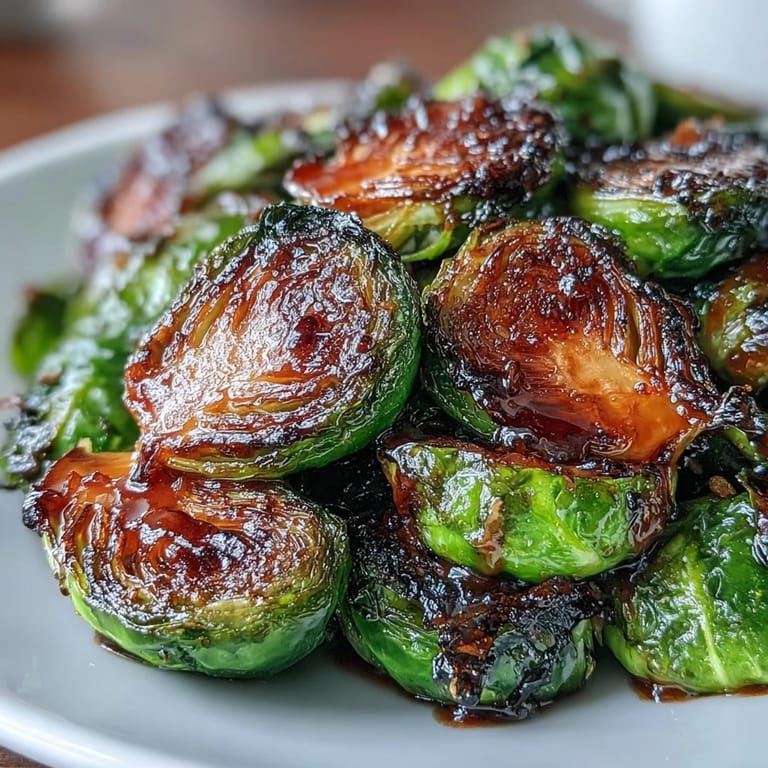
- Lay them flat on your sheet in a single layer—this flat surface touching hot metal is what gives you that crispy, caramelized bottom that makes them irresistible.
- Roast and shake halfway:
- Pop them in for 20 to 25 minutes, shaking the pan around the 12-minute mark so they brown evenly. You'll smell when they're getting close—that's your cue.
- Reduce the balsamic while they roast:
- In a small saucepan, combine vinegar and honey over medium heat. Let it bubble gently and reduce until it coats the back of a spoon in a thin syrup, around 5 to 7 minutes. This happens faster than you'd think, so keep checking it.
- Finish and serve:
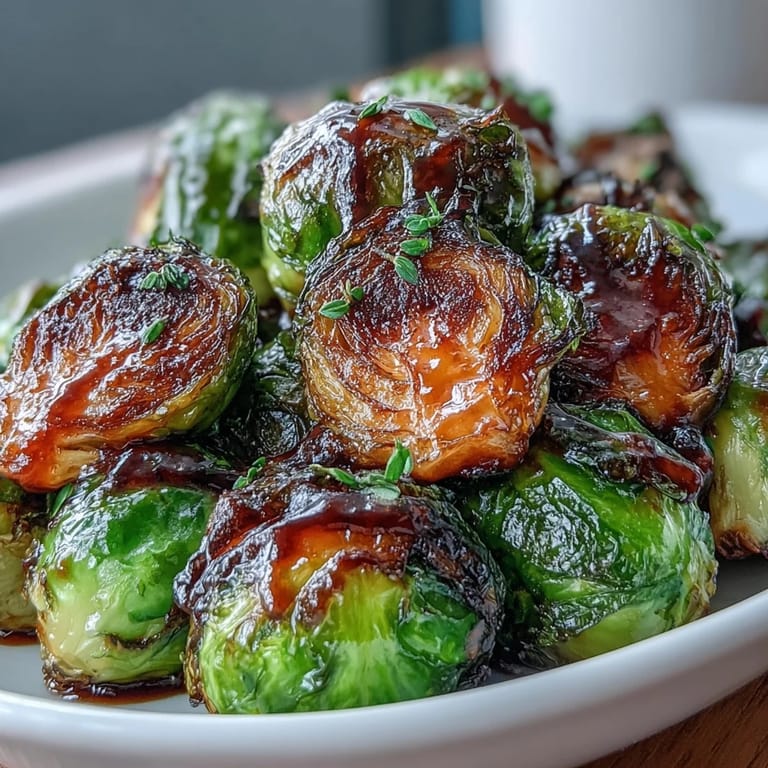
- Arrange roasted sprouts on your platter and drizzle that balsamic reduction over top while everything's still warm. Serve immediately so the heat keeps that glaze glossy.
 Save to Pinterest
 There's a moment I always experience when these come out of the oven and I'm pouring warm balsamic over them—a quiet satisfaction that something this delicious started with vegetables I once ignored. It's become my go-to when I want to feel like I've cooked something special without the stress.
Why Temperature Matters
High heat is absolutely your friend here; lower temperatures won't give you that crispy exterior that makes these craveable. I learned this the hard way once when I got nervous and turned the oven down to 375°F, thinking lower was safer. The result was steamed, pale sprouts with zero appeal. Once I committed to 425°F, everything changed.
The Balsamic Reduction Secret
This isn't complicated sauce-making, but it does need your attention for those few minutes on the stove. Watch the vinegar bubble and reduce—you're essentially concentrating the flavor and creating something thick enough to coat each sprout. It's the difference between vinegary Brussels sprouts and gourmet Brussels sprouts.
Ways to Make It Your Own
Once you nail the basic method, the customization possibilities are endless and honestly kind of fun to explore. I've topped these with everything from toasted pine nuts to crispy shallots to shaved Parmesan, and every version becomes someone's new favorite. The foundation stays the same, but your finishing touches make it feel personal.
- Sprinkle grated Parmesan or crumbled feta over the drizzled reduction for a savory finish.
- Toss in toasted walnuts or pine nuts just before serving for crunch and depth.
- Add a pinch of red pepper flakes if you like a subtle heat cutting through the sweet balsamic.
 Save to Pinterest
 These Brussels sprouts have become my answer to the question 'what should I bring?' for potlucks and holiday dinners. Every time, I'm amazed how something so straightforward ends up being the dish people ask about.
Recipe FAQs
- → How do I get Brussels sprouts crispy instead of mushy?
Roast at high heat (425°F) with cut-side down on the baking sheet. This ensures direct contact with the hot surface for maximum caramelization. Don't overcrowd the pan—steam prevents browning. Shake the pan halfway through for even cooking.
- → Can I make the balsamic reduction ahead of time?
Yes, the balsamic reduction keeps refrigerated in an airtight container for up to 2 weeks. Gently reheat before drizzling over the roasted sprouts to restore its syrupy consistency.
- → What can I use instead of honey in the balsamic glaze?
Maple syrup works beautifully as a vegan alternative and adds subtle caramel notes. Brown sugar or pure maple sugar also provide the necessary sweetness to balance the vinegar's acidity.
- → Should I trim the Brussels sprouts before roasting?
Trim the stem end and remove any loose or discolored outer leaves. Halving the sprouts allows for more even cooking and increases surface area for better caramelization with the balsamic glaze.
- → How do I know when the balsamic reduction is ready?
The reduction is done when it coats the back of a spoon and has reduced by about half in volume. It will thicken further as it cools. Avoid overcooking, as the vinegar can become bitter and too thick to drizzle.