 Save to Pinterest
 There's something about the sizzle of salmon hitting a hot pan that instantly transports me back to a dinner party where everything felt suddenly possible. A friend had brought a bottle of crisp white wine, the kitchen was warm and steamy, and I needed something that looked impressive but wouldn't keep me away from the conversation. That's when I discovered how a simple honey garlic glaze could transform a plain fillet into something that tasted like I'd spent hours in the kitchen, when really it was just fifteen minutes of focused attention.
I remember making this on a Wednesday when work had drained everything out of me, and I needed dinner to feel nourishing rather than like another chore. The aroma of garlic and honey filling my small apartment felt like a small act of kindness toward myself, and somehow the meal tasted better because of that mindset shift.
Ingredients
- Salmon fillets (4, about 150 g each), skin-on or skinless: The skin crisps beautifully and adds flavor, but remove it if you prefer a more delicate texture.
- Salt and freshly ground black pepper: Don't skip seasoning the fish directly; this is where the base flavor lives.
- Honey (3 tablespoons): Real honey matters here because it caramelizes into something glossy and complex, not just sticky.
- Soy sauce or tamari (3 tablespoons): The umami backbone that keeps the sweetness from becoming cloying; tamari works if you need gluten-free.
- Garlic (4 cloves, finely minced): Mince it small so it disperses throughout the sauce rather than sitting in chunks.
- Fresh lemon juice (1 tablespoon): This brightens everything and prevents the sauce from tasting one-note.
- Water (1 tablespoon): A small amount keeps the sauce from reducing too quickly and burning.
- Olive oil or unsalted butter (2 tablespoons): Butter creates a richer sauce, while oil lets the fish taste shine through more clearly.
Tired of Takeout? 🥡
Get 10 meals you can make faster than delivery arrives. Seriously.
One email. No spam. Unsubscribe anytime.
Instructions
- Prepare the salmon:
- Pat your fillets dry with paper towels and season both sides generously with salt and pepper. Dry fish means a better crust when it hits the pan.
- Mix the sauce:
- In a small bowl, whisk honey, soy sauce, minced garlic, lemon juice, and water together until the honey dissolves. I like to set this aside so it's ready when I need it.
- Heat your pan:
- Use a large nonstick skillet and get it hot over medium-high heat with your oil or butter. The pan should be ready to sizzle when the salmon goes in.
- Sear the first side:
- Place fillets skin-side down and cook for 3 to 4 minutes until the skin crisps and the bottom turns golden. Resist the urge to move them around; they need stillness to develop color.
- Flip and finish:
- Turn the fillets carefully and cook the other side for 2 to 3 minutes until just cooked through. The fish should flake gently but still feel slightly moist inside.
- Add the glaze:
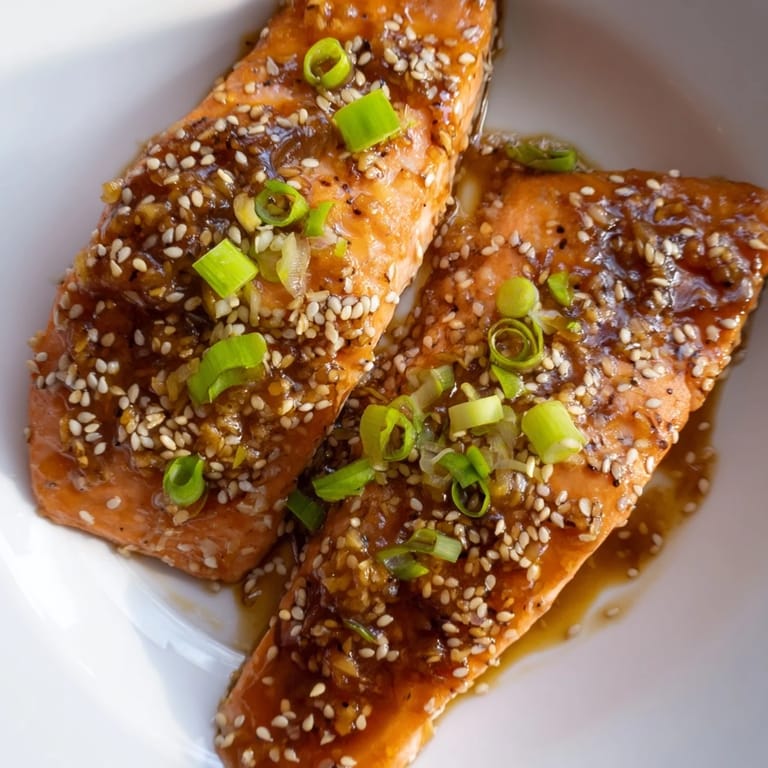
- Lower the heat to medium-low and pour the honey garlic sauce around and over the salmon. Spoon it over the fillets as it simmers, watching it thicken and turn glossy over about 2 to 3 minutes.
- Finish strong:
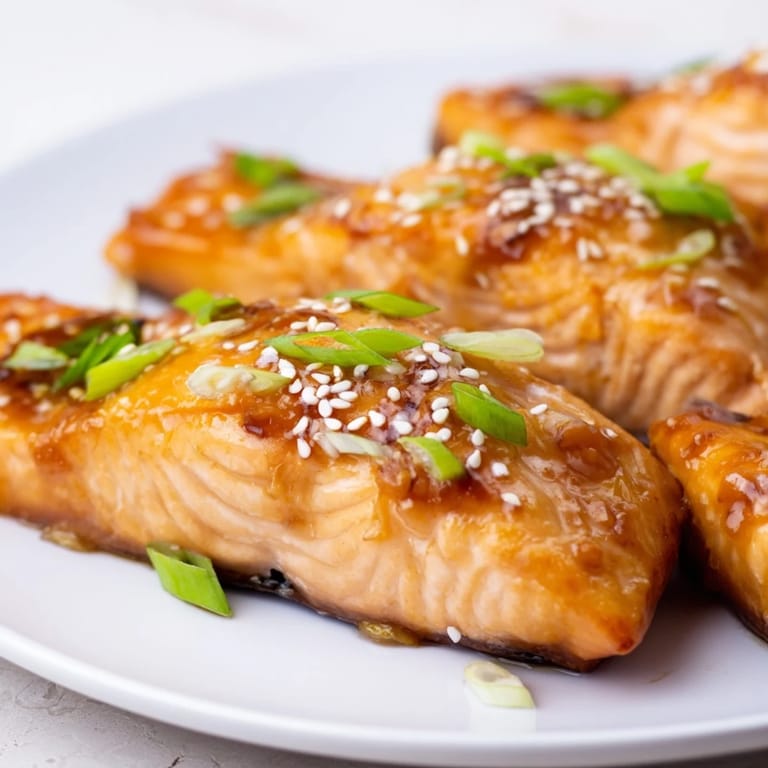
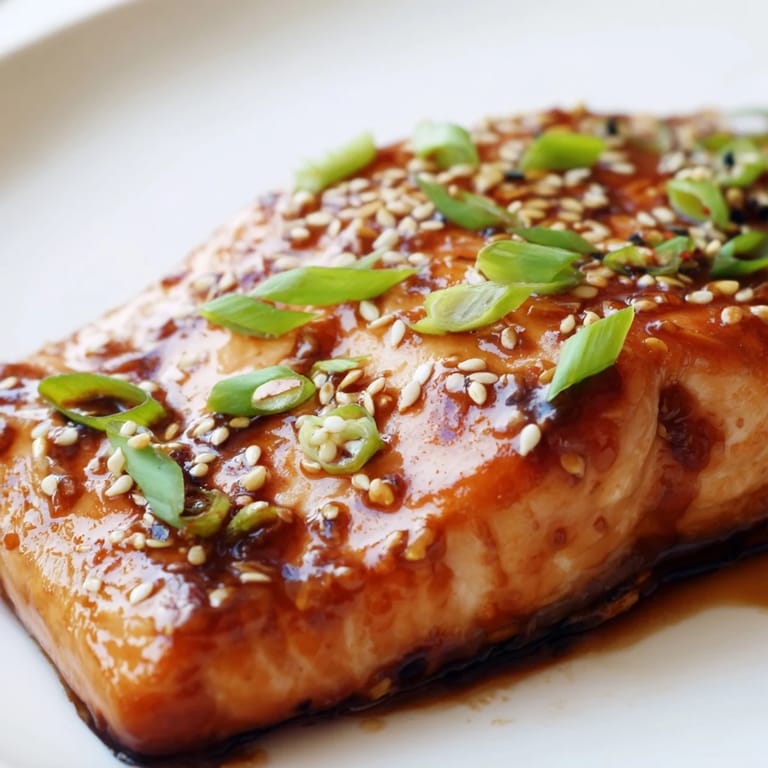
- Remove from heat once the sauce coats the fish in a shiny layer and the flesh is cooked through. The residual heat will continue to cook everything gently.
 Save to Pinterest
 The first time I made this for someone I was trying to impress, they asked for the recipe before even finishing the plate. That moment told me I'd stumbled onto something real, something that works because it respects both the salmon and the eater.
Building Flavor Layers
The magic in this dish happens because each ingredient pulls its weight. The honey brings warmth and sweetness, the soy sauce brings depth and saltiness, the garlic brings sharpness, and the lemon brings brightness. When they come together on the warm fish, they don't compete; they harmonize. It's the kind of simplicity that only works when you understand what you're doing.
Timing is Everything
Salmon cooks faster than most proteins, which is both blessing and curse. The blessing is dinner comes together quickly; the curse is that overcooked salmon becomes dry and flakes apart in a sad way. I've learned to trust the visual cues: the flesh should look opaque on the outside but still have a hint of translucence near the center when you flake it with a fork. It keeps cooking slightly after you remove it from heat, so pull it off the flame a moment before it looks completely done.
Serving and Pairing
I serve this over steamed rice to catch every last drop of that glossy sauce, but it's equally beautiful alongside roasted vegetables or a bright salad. The sauce is rich enough that you don't need much else, but a dry white wine like Sauvignon Blanc cuts through the richness beautifully. Finish with sliced green onions and sesame seeds for a touch of freshness and a subtle nuttiness that rounds everything out.
- Pair with jasmine rice to absorb the sauce without competing for attention.
- A handful of steamed broccoli or asparagus on the side adds color and a bit of textural contrast.
- Garnish generously with green onions and sesame seeds right before serving for maximum visual appeal.
 Save to Pinterest
 This recipe has become my go-to when I want to feel capable in the kitchen without spending hours there. It's the kind of meal that tastes like you care, and honestly, that matters.
Recipe FAQs
- → What type of salmon works best?
Fresh fillets with or without skin work well; skin-on can add extra crispiness when seared.
- → Can I substitute soy sauce?
Yes, tamari is a gluten-free alternative that maintains the sauce's savory depth.
- → How to prevent the sauce from burning?
Simmer the glaze on medium-low heat and gently spoon it over the fish to thicken without burning.
- → What sides pair well with this dish?
Steamed rice and sautéed or steamed seasonal vegetables complement the flavors nicely.
- → Can the sauce be adjusted for spiciness?
Adding a pinch of red pepper flakes can introduce a subtle spicy kick to the glaze.