 Save to Pinterest
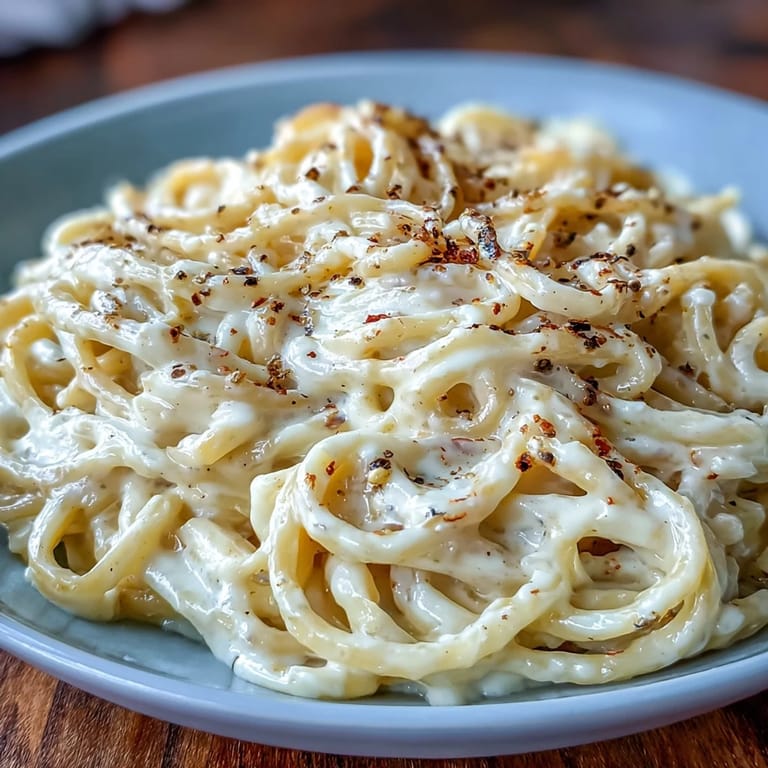
 The first time I watched my neighbor Maria make Cacio e Pepe, I couldn't believe something so simple could taste that good. She used three ingredients, no measuring cups, and her tiny kitchen smelled like toasted pepper and sharp cheese within minutes. I stood there with my phone out, ready to take notes, and she just laughed and said the only secret was hot water and cold hands. That night, I went home and tried it myself, and even though my sauce broke twice, I understood why Romans have been eating this for centuries. It's not just pasta, it's a lesson in respecting simplicity.
I made this for my brother on his birthday last year because he asked for something that tasted like Rome. He'd just come back from a trip and kept talking about a tiny restaurant near the Pantheon where he had the best Cacio e Pepe of his life. I was nervous because he had the real thing fresh in his memory, but when he took the first bite, he closed his eyes and nodded. He didn't say much, just ate two full plates, and that told me everything. Sometimes the highest praise is silence and an empty bowl.
Ingredients
- Spaghetti or tonnarelli (400 g): Tonnarelli is the traditional choice because its square shape holds the sauce better, but spaghetti works beautifully and is easier to find, so use whichever you have on hand.
- Pecorino Romano cheese (120 g, finely grated): This is the soul of the dish, salty and sharp with a slight funk that defines the flavor, and you must grate it yourself because pre-shredded versions contain anti-caking agents that ruin the sauce.
- Whole black peppercorns (2 tsp, freshly cracked): Toasting them in a dry pan wakes up their flavor and fills your kitchen with a warm, spicy aroma that makes the dish come alive.
- Kosher salt (1 tsp for pasta water): Salt the water generously, like the sea, because this is your only chance to season the pasta from the inside out.
- Unsalted butter (1 tbsp, optional): Purists skip it, but a small knob of butter makes the sauce silkier and more forgiving if you're still learning the technique.
Tired of Takeout? 🥡
Get 10 meals you can make faster than delivery arrives. Seriously.
One email. No spam. Unsubscribe anytime.
Instructions
- Boil the pasta:
- Bring a large pot of water to a rolling boil, add the salt, and cook the spaghetti until just al dente, about a minute less than the package says. Before you drain it, scoop out at least 1½ cups of that starchy, cloudy pasta water because that's what makes the sauce creamy.
- Toast the pepper:
- While the pasta bubbles away, crack your peppercorns and toss them into a large dry skillet over medium heat, shaking the pan gently until they smell toasty and fragrant, about a minute. This step is small but it changes everything.
- Build the base:
- Pour 1 cup of the hot pasta water into the skillet with the toasted pepper and lower the heat. Let it simmer gently so the pepper infuses the water with its bite.
- Combine pasta and pepper water:
- Add the drained pasta to the skillet and toss it around, letting it soak up some of that peppery liquid. The pasta should look glossy and start to release more starch.
- Add the cheese:
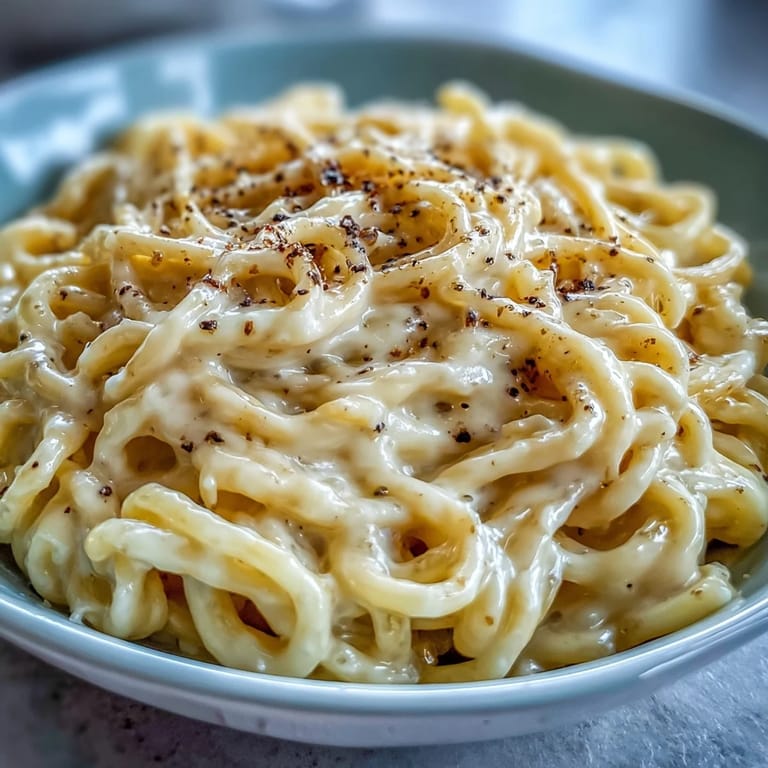
- Take the skillet off the heat and start sprinkling in the Pecorino, tossing constantly and vigorously like you're trying to wake it up. Add more reserved pasta water, a little splash at a time, until the sauce turns creamy and clings to every strand.
- Finish with butter (optional):
- If you're using butter, toss it in now and keep stirring until it melts into the sauce and everything looks silky. Serve immediately with extra cheese and pepper on top.
 Save to Pinterest
 One rainy Tuesday, I made Cacio e Pepe for myself after a long day and ate it standing at the counter, twirling it straight from the pan. The windows were fogged up, the kitchen was warm, and for those ten minutes, nothing else mattered. It reminded me that comfort doesn't always come from complexity, sometimes it's just butter, cheese, and the sound of pasta hitting a hot skillet. That's when this dish stopped being something I cooked for others and became something I made for myself.
Choosing the Right Pasta
Tonnarelli is traditional because its thicker, square shape gives the sauce more surface area to cling to, but spaghetti is more common and works just as well if you cook it properly. I've also tried this with bucatini, and the hollow center filled with sauce was a revelation, though it takes a little longer to cook. Whatever you choose, make sure it's good quality because with so few ingredients, each one has to pull its weight. The pasta is the canvas, so don't skimp on it.
Getting the Sauce Just Right
The key to a smooth, creamy sauce is temperature control and constant motion. If the pan is too hot when you add the cheese, it will split and turn greasy, but if it's too cool, the cheese won't melt at all. I learned to take the skillet completely off the heat, count to ten, and then start adding the cheese while tossing nonstop like my life depended on it. It feels like a workout, but that vigorous tossing is what emulsifies everything into silk. Some nights it comes together in seconds, other nights I add more pasta water three times, and that's okay because even imperfect Cacio e Pepe is still delicious.
Serving and Storing
This dish is best eaten the moment it's done because the sauce thickens as it sits and loses that glossy, just-made texture. If you have leftovers, store them in the fridge and reheat gently in a skillet with a splash of water or milk to loosen the sauce, though it will never be quite the same as the first time. I've served this family-style in a big warm bowl with extra cheese and pepper on the table, and everyone helps themselves, twirling their forks and fighting over the last bits. It's the kind of dish that makes people lean in, talk less, and eat more.
- Always serve it hot, straight from the pan, with extra Pecorino and cracked pepper within arm's reach.
- Pair it with a crisp white wine like Frascati or a cold beer to cut through the richness.
- Don't overthink it, this recipe rewards confidence and speed more than perfection.
 Save to Pinterest
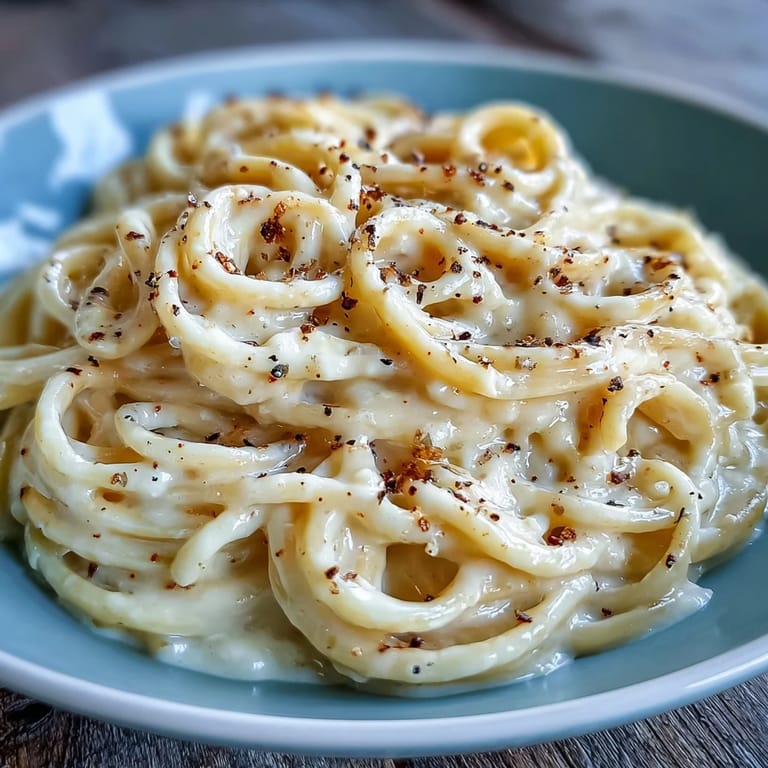
 Every time I make Cacio e Pepe, I'm reminded that the best recipes are the ones that teach you something about patience, timing, and trusting your instincts. It's a dish that respects your effort and rewards your attention, and once you get it right, you'll want to make it for everyone you love.
Recipe FAQs
- → Why does my Pecorino cheese clump instead of creating a creamy sauce?
The cheese clumps when it encounters temperatures that are too high. Remove the skillet from heat before adding cheese, and add it gradually while tossing vigorously. The starchy pasta water helps emulsify the cheese into a smooth sauce.
- → Can I substitute Parmesan for Pecorino Romano?
While Parmesan can be used, Pecorino Romano's sharper, saltier flavor is essential to authentic Cacio e Pepe. Pecorino is made from sheep's milk and provides the distinctive taste that defines this Roman classic.
- → How much pasta water should I reserve?
Reserve at least 1½ cups of pasta cooking water. This starchy liquid is crucial for creating the creamy sauce. You may not use it all, but it's better to have extra than to run short during the emulsification process.
- → What type of pasta works best?
Tonnarelli is the traditional choice in Rome, but spaghetti is an excellent alternative. Long pasta shapes work best as they coat evenly with the sauce. Choose high-quality bronze-cut pasta for better sauce adhesion.
- → Should I toast the peppercorns whole or cracked?
Toast the peppercorns after cracking them. This releases their essential oils and intensifies the flavor. Toast for about one minute until fragrant, being careful not to burn them.
- → Is butter traditional in Cacio e Pepe?
Traditional Roman Cacio e Pepe contains only pasta, Pecorino Romano, and black pepper. Butter is a modern addition some cooks use for extra richness, but purists stick to the original three-ingredient formula.