 Save to Pinterest
 My neighbor showed up at my door one sweltering July afternoon with a basket of mangoes she couldn't finish, and I found myself standing in my kitchen wondering how to make them feel special. That's when I realized the answer wasn't some complicated technique—it was about letting the fruit itself be the star. I pulled out every tropical fruit I could find, arranged them on my grandmother's old platter, and suddenly I had something that looked like an edible rainbow. My kids still talk about that day, not because the fruit tasted different, but because we made it together with our hands and eyes, turning a simple gathering into something that felt celebratory.
I served this at my daughter's eighth birthday party, and I watched her face light up when she saw the platter—not because she'd never eaten fruit before, but because suddenly fruit felt like an adventure. Her friends went straight for the dragon fruit, amazed at its tiny black seeds, while the pineapple disappeared almost immediately. It was one of those moments where you realize food is really just an excuse to create something memorable together.
Ingredients
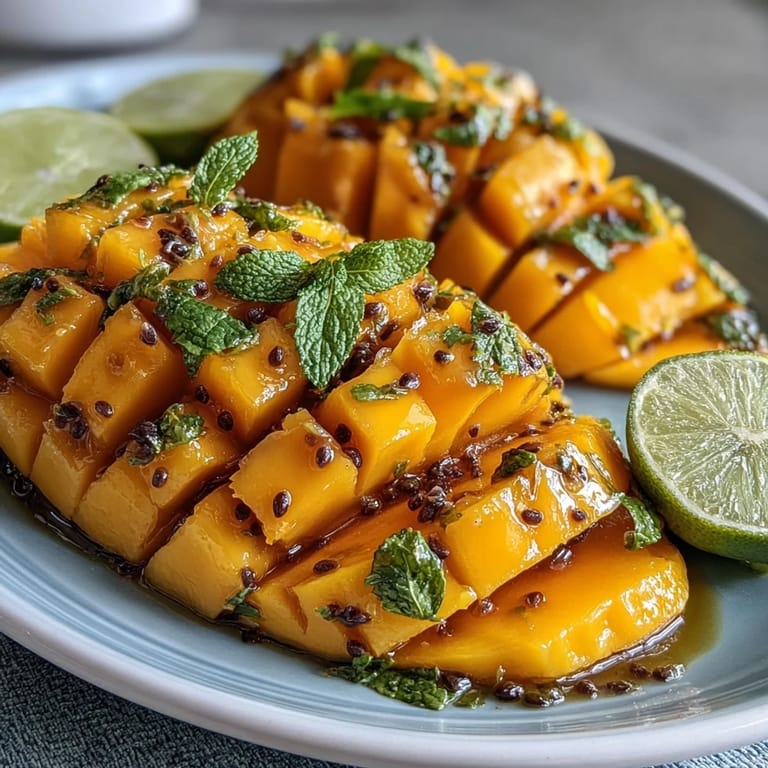
- Ripe mangoes (2): The foundation of this whole display—choose ones that give slightly to pressure but aren't mushy, and remember that a good mango smells almost floral at the stem end.
- Large pineapple (1): The weight and presence of a pineapple commands respect on the platter, so choose one with vibrant color and a crown of leaves that stands proud.
- Kiwis (2): Their bright green interior and tiny seeds add both color contrast and a surprising tartness that wakes up your palate.
- Papaya (1): Softer than most fruits here, it brings a delicate sweetness and a gorgeous peachy tone that bridges the warm and cool colors.
- Dragon fruit (1): Honestly, this one is more about the wow factor—those black seeds and hot-pink exterior make people stop and stare.
- Seedless red grapes (1 cup): They add little jewel-like pops of color and are the first thing to disappear because kids can grab them easily.
- Fresh strawberries (1 cup, hulled and halved): Their familiar sweetness grounds the more exotic fruits and gives people something they already know they'll love.
- Blueberries (1 cup): These tiny spheres fit into gaps and add a sophisticated deep blue that makes everything else look brighter.
- Fresh mint leaves (1/4 cup): Don't just scatter them randomly—tuck them between fruits where their green will pop against warm tones and their aroma will greet people as they reach.
- Lime wedges (1 lime): A squeeze of lime brings brightness to the mango especially, and the wedges look beautiful scattered across the display.
- Vanilla Greek yogurt or coconut yogurt (1 cup, optional): The tanginess cuts through the fruit's natural sweetness and gives people another texture to experience.
- Honey or agave syrup (1 tablespoon): Just enough to gently balance the yogurt's sharpness without making it dessert-like.
- Lime zest: This small detail makes the dipping sauce taste intentional rather than hastily thrown together.
Tired of Takeout? 🥡
Get 10 meals you can make faster than delivery arrives. Seriously.
One email. No spam. Unsubscribe anytime.
Instructions
- Gather your fruits and set up your workspace:
- Lay out your platter or tiered stand where you can see the whole canvas before you begin. Take a moment to assess the colors and shapes you're working with—this mental planning makes the actual arranging so much easier and prevents those last-minute scrambles for balance.
- Prepare each fruit with intention:
- Peel and slice everything, but do it slowly enough that you notice the textures changing under your knife. A mango yields differently than a pineapple, and papaya feels almost buttery compared to kiwi's firm crispness—these little observations help you understand how they'll look when arranged.
- Build from the center outward:
- Start with your mango and pineapple at the heart of the platter, fanning the slices so they overlap slightly and create movement. Think of it like you're painting with fruit, letting warmer tones anchor the middle while cooler colors radiate outward.
- Layer in complementary colors and shapes:
- Arrange papaya and dragon fruit next, then fill spaces with kiwis, strawberries, and blueberries. The key is alternating between thick slices, thin slices, and round berries so your eye travels around the platter instead of getting stuck in one spot.
- Add the finishing touches:
- Scatter mint leaves where they'll peek out from between fruits—along the edges, nestled between colors, anywhere they catch light. Tuck lime wedges into gaps and around the perimeter, creating a border of brightness.
- Make your optional dipping sauce:
- Stir yogurt, honey, and lime zest together until smooth and creamy, then taste it. The lime zest should be noticeable but not aggressive—you want it to taste like a flavor discovery, not a lime assault.
- Keep everything cold until the moment of serving:
- Cover loosely with plastic wrap and let the platter chill while you finish everything else. This keeps fruits firm and the flavors crisp, and it gives you one less thing to worry about right before guests arrive.
 Save to Pinterest
 There's something deeply satisfying about arranging fruit that has nothing to do with eating it. My mother sat at my kitchen counter while I built this display, and she kept saying she didn't want to disturb it—but then she'd reach in anyway, grab a strawberry, and smile. That's when I understood this wasn't really about the fruit at all; it was about creating something so alive and colorful that it made people happy just by existing.
The Art of Color Balance
When I first started making fruit displays, I'd arrange everything by fruit type and wonder why it looked more like a grocery store inventory than something special. Then I realized the magic happens when you stop thinking in categories and start thinking in colors. Warm oranges and pinks from mangoes and papayas need to dance with cool blues and purples from blueberries and dragon fruit, while bright greens from kiwis and mint act like little lights that make everything else glow brighter. Once you see fruit as color instead of as individual pieces, the arranging stops feeling like work and starts feeling like play.
Timing and Freshness
This is one of those rare recipes where timing actually works in your favor. You can prep your fruits the morning of your gathering, keep them covered in the refrigerator, and then do your final arrangement about an hour before people arrive—the fruit stays crisp and you stay calm. I learned this the hard way after prepping a platter the night before and waking up to slightly dull-looking fruit and a solid hour of stress. The beauty of working with natural ingredients is that they're most forgiving when you work with their natural rhythms rather than against them.
Making It Your Own
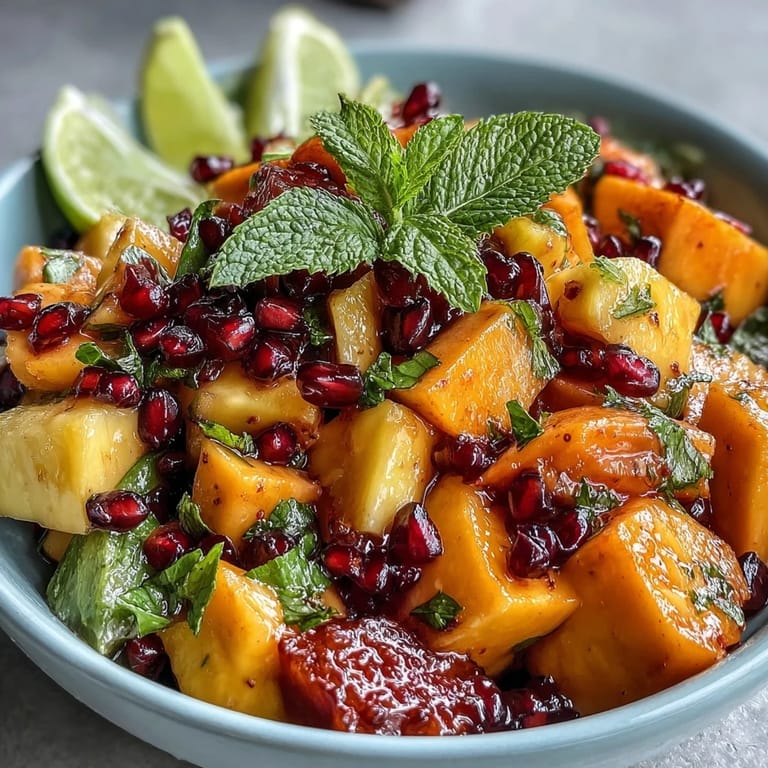
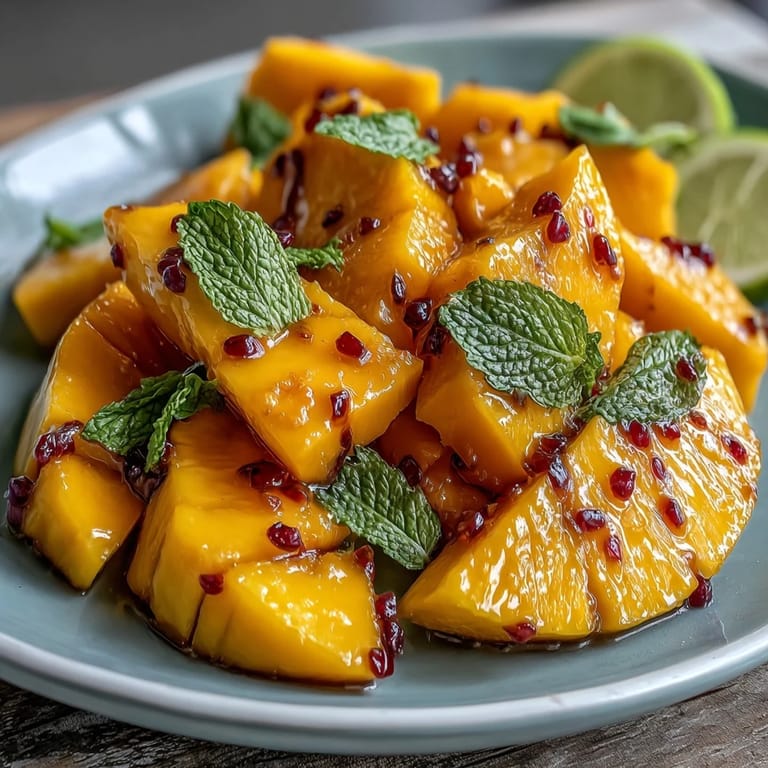
The fruits I've listed are just a starting point—I've made this display in autumn with pomegranate seeds and persimmons, and in spring when fresh berries suddenly appeared at the market. The real magic is paying attention to what looks beautiful and tastes ripe where you are, right now. Your local fruit will always taste better than anything I could tell you about, and it'll tell a story about where you live and what season you're in.
- Edible flowers like pansies or violas add an elegant touch and make the display feel like it came from a fancy restaurant kitchen.
- A sprinkle of toasted coconut flakes adds texture and a whisper of tropical flavor that makes people wonder what you did differently.
- Consider the season—autumn brings pomegranate and persimmons, spring brings berries, and winter is your window for citrus arranged between tropical fruits.
 Save to Pinterest
 This fruit platter has taught me that sometimes the most impressive things we create are also the simplest ones. There's a quiet confidence in letting ripe fruit speak for itself.
Recipe FAQs
- → What fruits are used in this tropical display?
The display includes mangoes, pineapple, kiwi, papaya, dragon fruit, red grapes, strawberries, and blueberries.
- → Can the arrangement be prepared ahead of time?
Yes, prepare and slice all fruits in advance, then arrange and chill the display until serving.
- → Is there a recommended garnish for added freshness?
Fresh mint leaves and lime wedges are used to enhance aroma and visual appeal.
- → What are options for the dipping sauce?
An optional sauce combines vanilla Greek or coconut yogurt, honey or agave syrup, and lime zest for a creamy complement.
- → Can I substitute any fruits in the display?
Yes, seasonal fruits like passion fruit, star fruit, or melon can be swapped to customize the presentation.
- → Is this dish suitable for special diets?
Yes, it is naturally gluten-free and can be made vegan by using coconut yogurt instead of Greek yogurt.