 Save to Pinterest
 There's something about the smell of butter hitting a hot pan that makes me drop everything and pay attention. Years ago, I was rushing through a weeknight dinner when a friend texted asking what I was making, and I realized I had pasta, peas, a lemon, and butter staring back at me from the kitchen. Twenty minutes later, we were twirling forks through silky noodles that tasted like spring had just walked through the door. This dish taught me that the simplest combinations often taste the most elegant, and that sometimes the best meals come from having almost nothing to work with.
I made this for my grandmother once when she was visiting and complained that everything felt too heavy these days. Watching her take that first bite and close her eyes while the lemon hit her palate is a moment I think about whenever I make this now. She asked for the recipe immediately, and now it's become her go-to dish for when her book club comes over.
Ingredients
- Linguine or spaghetti (12 oz): The long strands catch and hold the butter sauce beautifully; thinner pasta means more surface area for that lemony coating to cling to.
- Fresh or frozen green peas (1 cup): Fresh peas in season are a joy, but honestly, frozen ones work just as well and sometimes taste brighter because they're picked at peak ripeness.
- Garlic (2 cloves, minced): This is your foundation flavor, so don't skip the mincing step and keep the heat moderate so it becomes sweet and mellow rather than harsh.
- Lemon zest and juice (1 lemon): The zest gives you those tiny bursts of oil and intensity that transform this from pleasant to memorable, so use a microplane if you have one.
- Fresh parsley (2 tbsp, chopped): Don't add this until the very end or the heat will turn it dark and bitter; fresh green parsley is what makes this feel like springtime.
- Unsalted butter (4 tbsp): This is the sauce foundation, so use real butter and let it melt slowly over medium heat to keep it golden rather than browned.
- Grated Parmesan (1/2 cup, plus more for serving): Freshly grated makes a difference because the pre-grated stuff has anti-caking agents that prevent it from melting as smoothly into the sauce.
- Salt and black pepper (1/2 tsp and 1/4 tsp): Season boldly because the pasta water will dilute everything slightly, and you want each bite to sing.
Tired of Takeout? 🥡
Get 10 meals you can make faster than delivery arrives. Seriously.
One email. No spam. Unsubscribe anytime.
Instructions
- Boil the pasta water generously:
- Fill a large pot about three-quarters full and salt it like the sea, then bring it to a rolling boil before you add the pasta. This is where the pasta gets its flavor, so don't be shy with the salt.
- Cook the pasta to al dente:
- Follow the package timing but start testing a minute or two before it suggests; you want a slight resistance when you bite it because it will soften slightly more from the residual heat and sauce. When it's done, scoop out a measuring cup of that starchy water before you drain everything.
- Melt the butter with garlic:
- In a large skillet, let the butter melt slowly over medium heat, then add the minced garlic and listen for a gentle sizzle that tells you it's fragrant but not burning. This takes about a minute, and your nose will tell you when it's ready.
- Cook the peas until tender:
- Stir them into the buttery garlic and let them heat through for a few minutes, watching them turn a brighter green as they warm. If using frozen, they need just enough time to thaw and heat; if fresh, you want them still with a slight firmness underneath.
- Add the lemon brightness:
- Pour in the zest and juice and give everything a good stir, letting the bubbles subside as the lemon juice mingles with the warm butter. The aroma that rises up is when you know you're on the right track.
- Combine the pasta with the sauce:
- Add your drained pasta to the skillet along with about half a cup of that reserved pasta water, then toss everything together with tongs or two forks, watching as the starchy water emulsifies with the butter to create something silky. Keep the heat low and add more pasta water as you go if it looks too thick.
- Finish with cheese and seasonings:
- Sprinkle the Parmesan over everything and toss gently, letting the residual heat melt it into the sauce rather than clumping. Taste a bite and adjust your salt and pepper, remembering that Parmesan is salty so you might need less than you think.
- Stir in parsley and serve immediately:
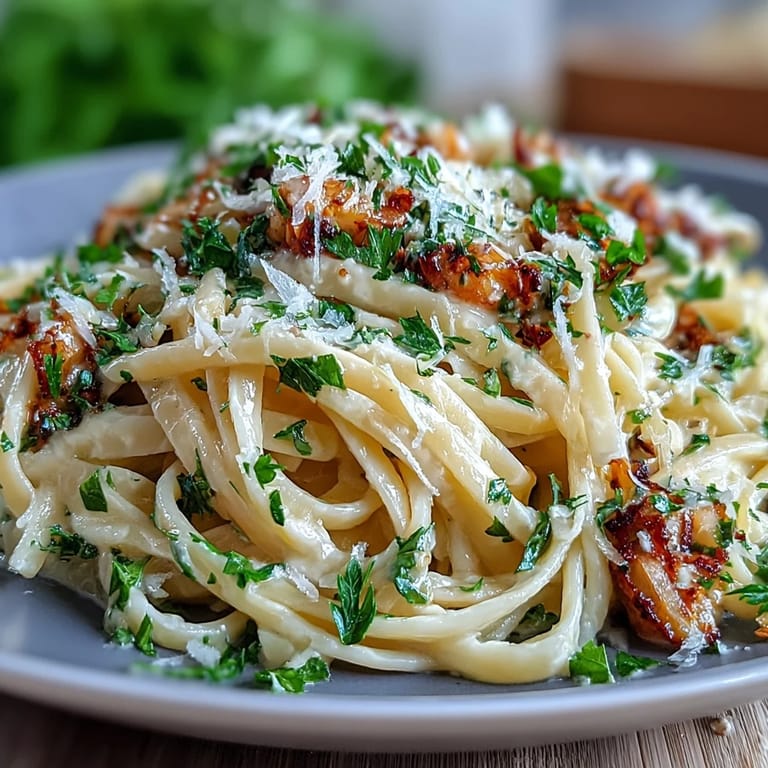
- Remove from heat and toss in the fresh parsley at the last possible moment so it stays bright green. Plate it up right away while the sauce is still flowing and each noodle glistens.
 Save to Pinterest
 One afternoon, I made this pasta and brought a bowl to my neighbor who had just had surgery and wasn't feeling up to cooking. The next day she texted me a photo of an empty bowl with a smiley face drawn in the residual Parmesan dust, and somehow that felt like the highest compliment I could receive.
Why Simplicity is the Secret
This dish proves that you don't need a long ingredient list or complicated techniques to create something restaurant-quality. The magic happens because each component gets respect and space to shine, rather than everything being buried under layers of flavor. When I'm tempted to add cream or extra vegetables, I remind myself that this recipe works precisely because it knows what it is.
Making It Your Own
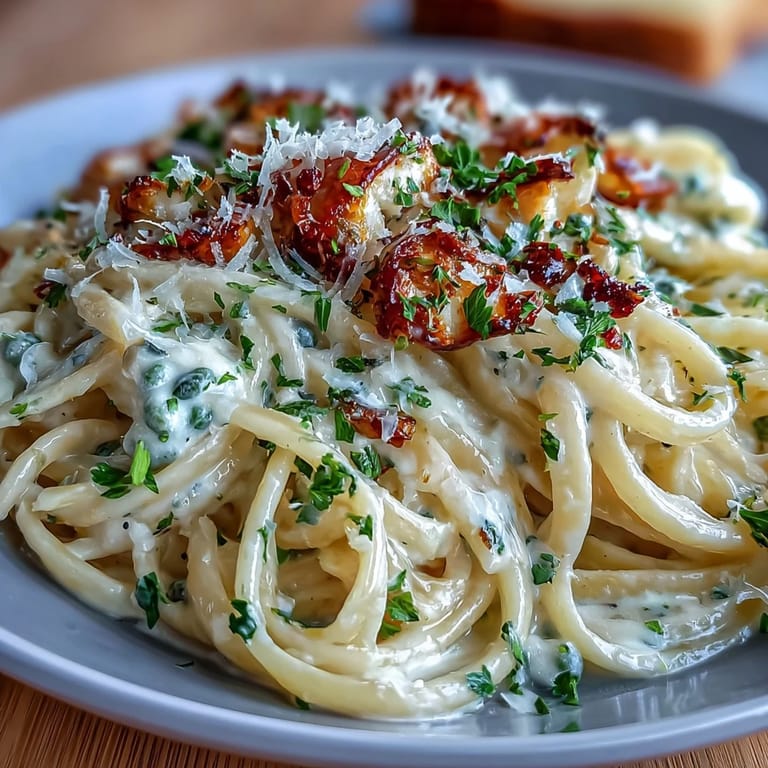
The beauty of this foundation is how gracefully it accepts additions without losing its identity. I've made it with crispy pancetta crumbled over the top, with seared shrimp folded in at the end, with torn fresh mozzarella stirred through, and even with a handful of crispy breadcrumbs for texture. Each version felt natural and not like I was fighting the recipe, which tells me the core is genuinely solid.
Pairing and Serving Moments
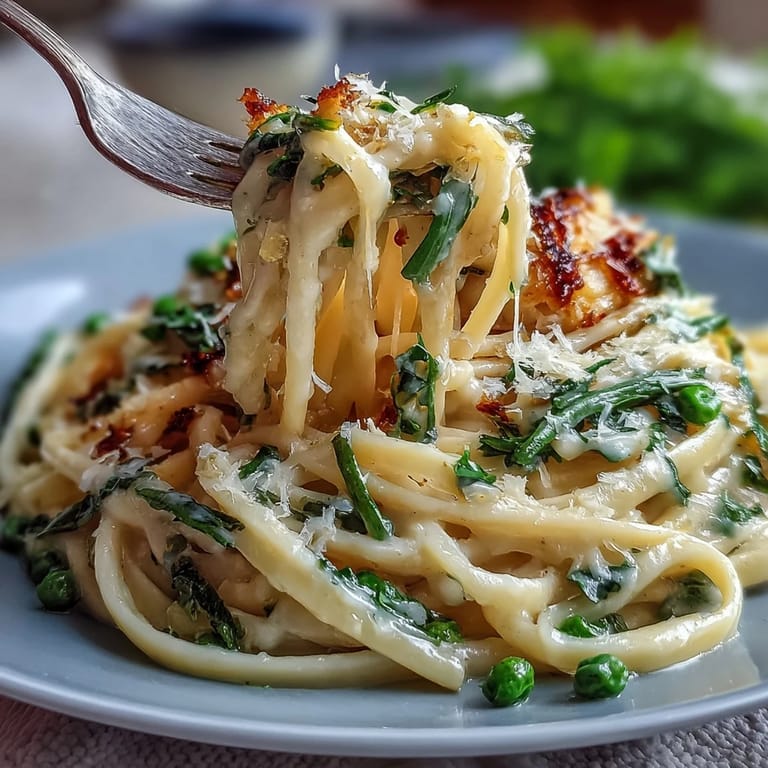
This pasta arrives at the table looking bright and alive, with those green peas scattered throughout and the Parmesan catching the light. It's the kind of dish that feels celebratory without being fussy, making it perfect for impromptu dinners with friends or a quiet Tuesday night when you want to feel like you're treating yourself.
- Pour a crisp Sauvignon Blanc or Pinot Grigio alongside it, and watch how the acidity mirrors the lemon in the pasta.
- Serve it family-style in a large shallow bowl so people can admire it before they plate up, because this dish deserves a moment.
- Finish each plate with an extra crack of black pepper and a small mound of Parmesan so everyone can adjust to their taste.
 Save to Pinterest
 This recipe has become my answer to the question what should we eat tonight when nothing feels complicated enough to satisfy and everything else feels too much. It's the kind of meal that reminds you why simple food cooked with care tastes better than anything else.
Recipe FAQs
- → How do I prevent the butter from browning too much?
Melt the butter over medium heat and watch closely, cooking the garlic just until fragrant without letting it brown to maintain a smooth sauce.
- → Can I use frozen peas instead of fresh?
Yes, frozen peas work well; cook them just until heated through to keep a tender texture.
- → What pasta types work best with this dish?
Linguine or spaghetti are ideal as they easily hold the buttery sauce and blend with the peas and Parmesan.
- → How can I make the sauce creamier?
Add reserved pasta cooking water a little at a time while tossing the pasta to achieve a silky, smooth consistency.
- → Are there good add-ins to boost protein or veggies?
Sautéed shrimp or grilled chicken complement the flavors well, and adding baby spinach or arugula provides extra greens.